Blog
Regular Sativa Seeds

Energizing Classics for Your Grow With Regular Sativa Seeds
Have you ever dreamed of cultivating **regular Sativa seeds** and experiencing those soaring, cerebral highs that spark creativity and energy all day long? From my own grows over the years, I’ve learned that pure Sativa genetics deliver unmatched uplifting effects, though they demand patience with their tall stretch and longer flowering times.
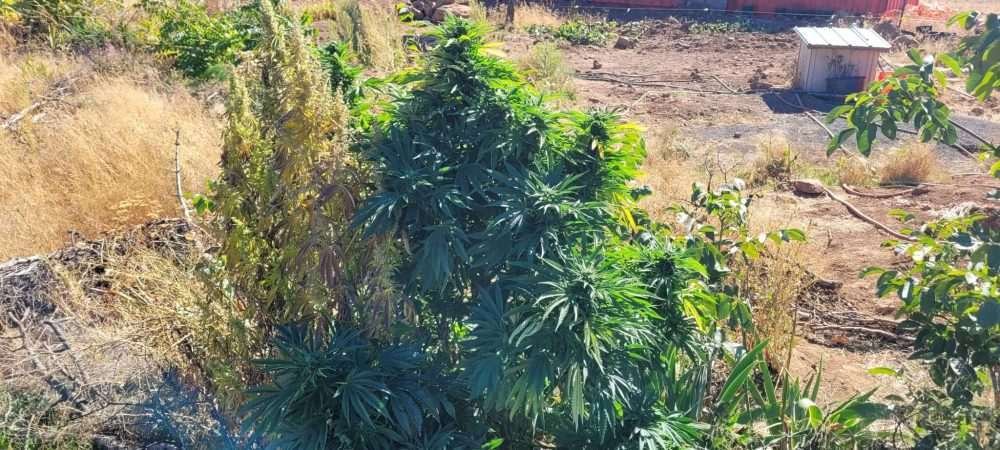
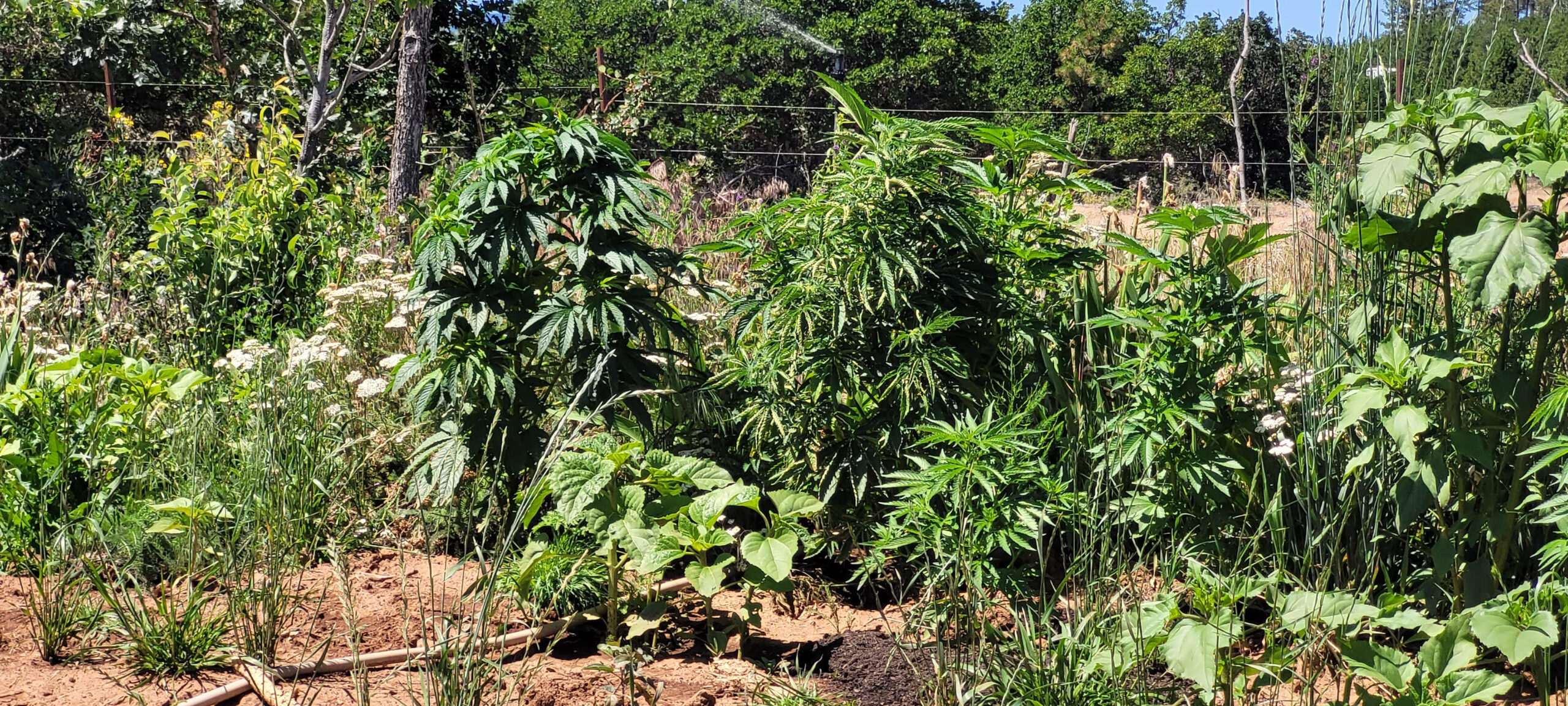
I once grew a classic Sativa (Strawberry Cough) in a seed run and after an extended grow in my greenhouse rewarded me with airy, resinous seeded buds after a full season, and produced 50,000 seeds. You can see her in the image above…she was the beginning of the free seed orders, that have become so popular.
Regular Sativa seeds are perfect for breeders or those seeking authentic landrace vibes. This guide covers tips for success in 2026.
Always check local laws before growing cannabis, as legality varies by location.
Table of Contents
- What Are Regular Sativa Seeds?
- Benefits of Growing Regular Sativa Seeds
- Best Regular Sativa Strains for 2026
- Step-by-Step Guide to Growing Regular Sativa Seeds
- Common Mistakes with Regular Sativa Cannabis
- Advanced Tips for Regular Sativa Breeding
- Legal Considerations and Disclaimers
- Conclusion
What Are Regular Sativa Seeds?
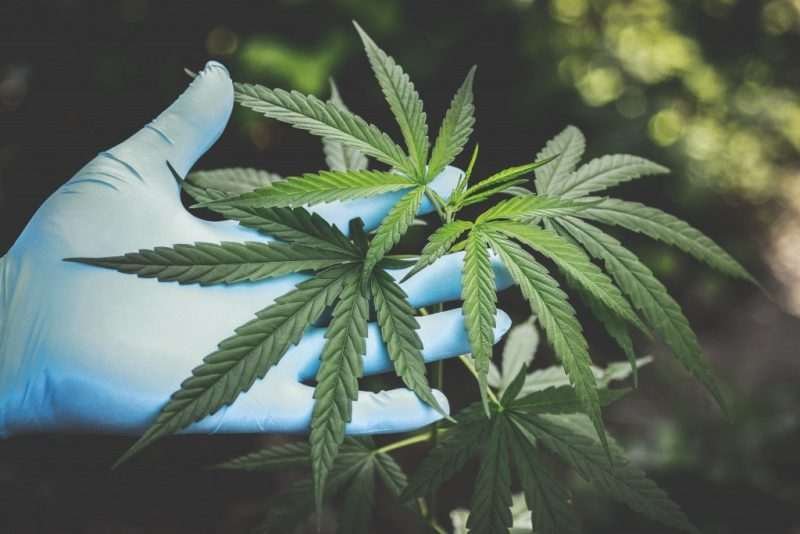
Regular Sativa seeds are non-feminized, natural cannabis seeds from Sativa-dominant or pure Sativa strains, producing both male and female plants for breeding or phenotype hunting.
These tall, narrow-leafed genetics originate from equatorial regions, offering energizing effects. In my grows, regular Sativa seeds showed incredible vigor, stretching dramatically (I once grew one that was 20 ft tall) under sun but yielding unique expressions.
2026 trends favor pure Sativa regulars like Durban Poison or Sugar Haze for terpene diversity. Additionally, uplifting Sativa effects suit daytime use.
Benefits of Growing Regular Sativa Seeds
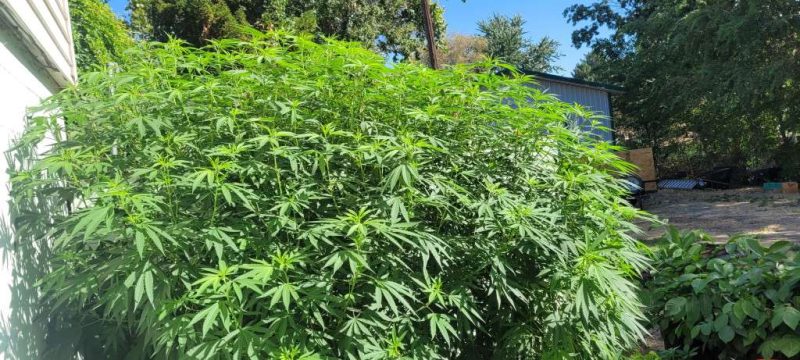
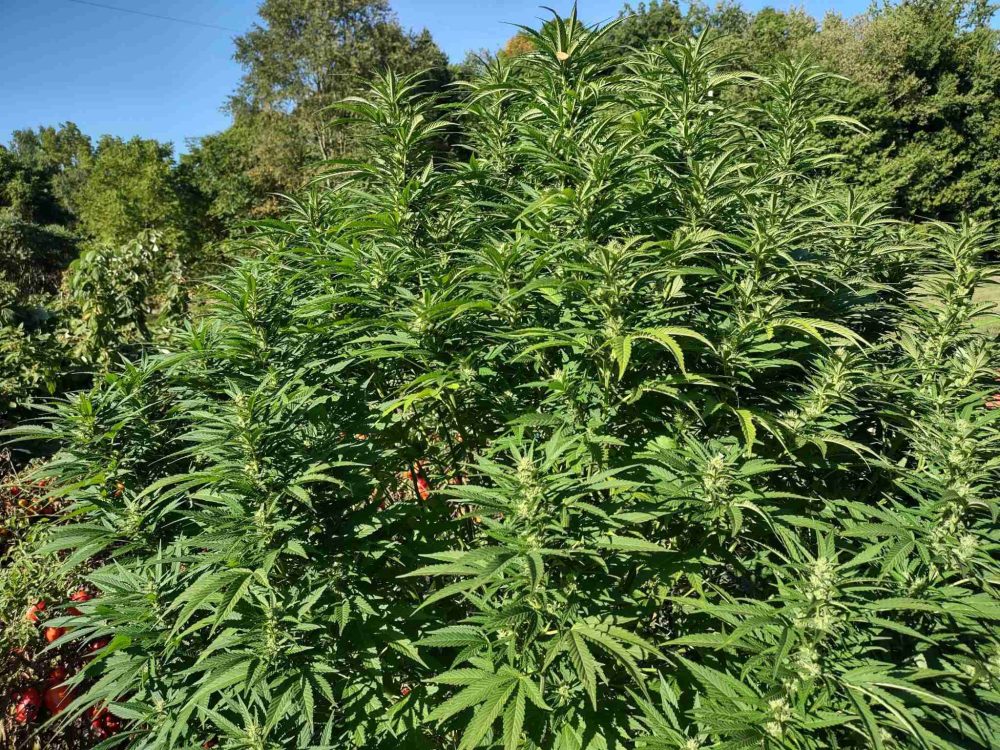
Growing regular Sativa seeds provides cerebral, creative highs—I’ve felt focused bursts of energy, and concentration during projects that lasted hours. In outdoor grows, their height captured maximum light for big yields once managed. But watch out, they will likley want to get taller then your fence!
From my harvests, fruity or spicy terpenes are common in pure lines.
In 2026, pure Sativa regulars gain popularity, especially landraces like my Santa Marta Colombian Gold for authenticity amid all the hybrids these days.
- Energizing Effects: Boost mood, focus, creativity.
- Natural Vigor: Hardy, adaptable to warmth, tend to grow tall.
- Breeding Opportunities: Males for new crosses.
- Unique Profiles: Distinct flavors, long-lasting highs.
Experts appreciate variability, like the Panama Red strain.
Best Regular Sativa Strains for 2026 From JCS
For 2026, Durban Poison is a pure sativa strain from South Africa—pure, resilient, sweet anise flavor. I’ve grown it outdoors; fast enough to finish outdoors in most locals, and….is potent energy.
Lebanese is a pure landrace sativa that is the epitome of a Sativa…very thin sativa leaves, and the normal Christmas tree shape.
Additionally, Kona Gold for that Hawaiian vibe, and Pineapple Express for that fruity buzz.
Top Choices
Landraces like The Real Santa Marta Colombian Gold for heritage. In trials, these stretched but rewarded.
Pure Sativas can be controlled with SCROG or FIMming especially indoors.
- Durban Poison: Clean, focused high.
- Santa Marta Colombian Gold: Intense, creative.
- Lebanese: Balanced clarity.
Check out the THC vs CBD guide for controlled potency.
Step-by-Step Guide to Growing Regular Sativa Seeds
What really sets sativas apart from indicas and autoflowers? Let’s break it down before we get into the hands-on growing steps.
First off, sativas differ from indicas in structure and effects. Sativas typically grow tall and lanky with narrow leaves, thriving in warmer, equatorial climates. They take longer to mature (often 10-16 weeks in flowering), but reward you with cerebral, euphoric highs.
Indicas, on the other hand, are shorter, bushier plants with broad leaves, originating from cooler, mountainous regions. They mature faster (8-10 weeks flowering) and deliver more relaxing, body-focused effects—great for evening chill sessions.
As for autoflowers, these are a game-changer for beginners because they flower automatically based on age, not light cycles, and they’re usually a mix of sativa/indica with ruderalis genetics. Autos are compact, quick (8-10 weeks total from seed), and forgiving, but they might yield less than pure sativas and lack the height and some say potency of regular cannabis plants.
Now, let’s focus on getting your regular sativa seeds started strong. We’ll cover germination and the seedling stage here—think of this as laying the foundation for a thriving plant.
Germination is where the magic begins, turning a dormant seed into a impressive plant.
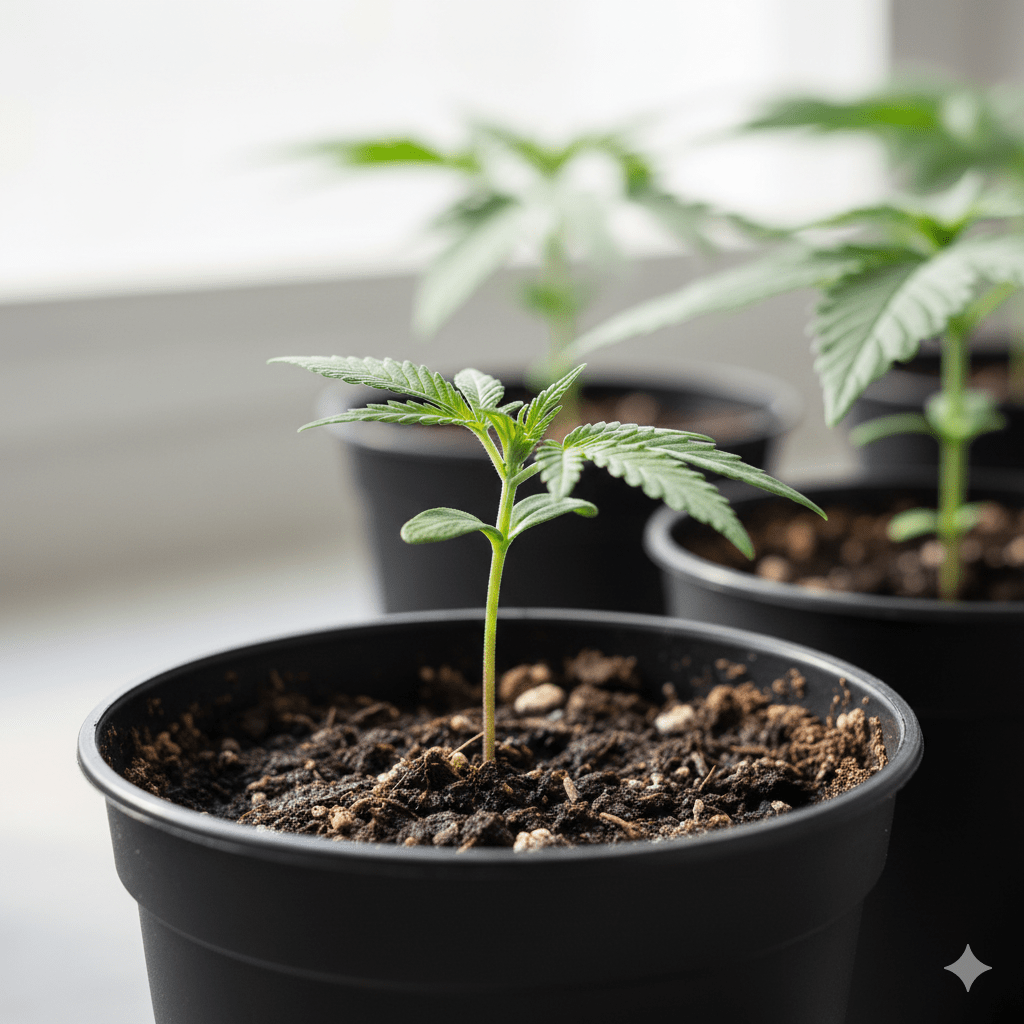
For sativas, which love warmth and humidity, aim for success rates of 80-90% with these steps:
- Gather your supplies: High-quality regular sativa seeds, paper towels, distilled water, two plates, and a warm spot (around 70-85°F).
- Soak the seeds: Place them in a glass of room-temperature distilled water for 12-24 hours until they sink. This softens the shell.
- Paper towel method: Dampen two paper towels with distilled water (not soaking wet), place seeds between them, and cover with an upside-down plate to create a mini greenhouse. Keep in a dark, warm (not hot) place.
- Check daily, or even a few times a day: In 2-5 days, you’ll see a white taproot emerge…I quickly plant when I first see that tape root. I believe waiting too long can be detrimental to a strong healthy seedling.
Pro tip: Sativas are sensitive to overwatering, so maintain moisture without drowning the seeds.
Nurturing your seedlings once germinated…transplant the sprouted seed (taproot down) into a small pot with well-draining soil or a starter cube. This stage lasts 2-3 weeks, where your sativa will develop its first true leaves and establish roots.
- Light: Provide 18-24 hours of gentle light daily using fluorescent or LED grow lights (keep 18-24 inches away to avoid burn). Sativas stretch toward light, so consistent exposure prevents legginess.
- Soil and nutrients: Use a light, airy mix with perlite for drainage (I mix about 1/4 perlite into about all the potting soils I use). Start with minimal nutrients—sativas prefer slightly acidic soil (pH 6.0-7.0). Water sparingly when the top inch feels dry.
- Environment: Maintain 70-80°F and 40-70% humidity. A small fan for air circulation helps strengthen stems without stressing the delicate seedlings, and can help in preventing damping off.
- Common pitfalls: Damping off or nutrient burn. Sativas grow slower than indicas at first, so patience is key—don’t rush to bigger pots until roots are close to filling the starter pot. But remember…bigger pots generally mean bigger plants. I love growing Sativas in the ground under the sun.
By mastering germination and seedlings, you’re setting up your sativa for success. These tall beauties might take longer than indicas or autos, but the vibrant growth and unique highs are worth it.
Vegetative and Flowering Phases
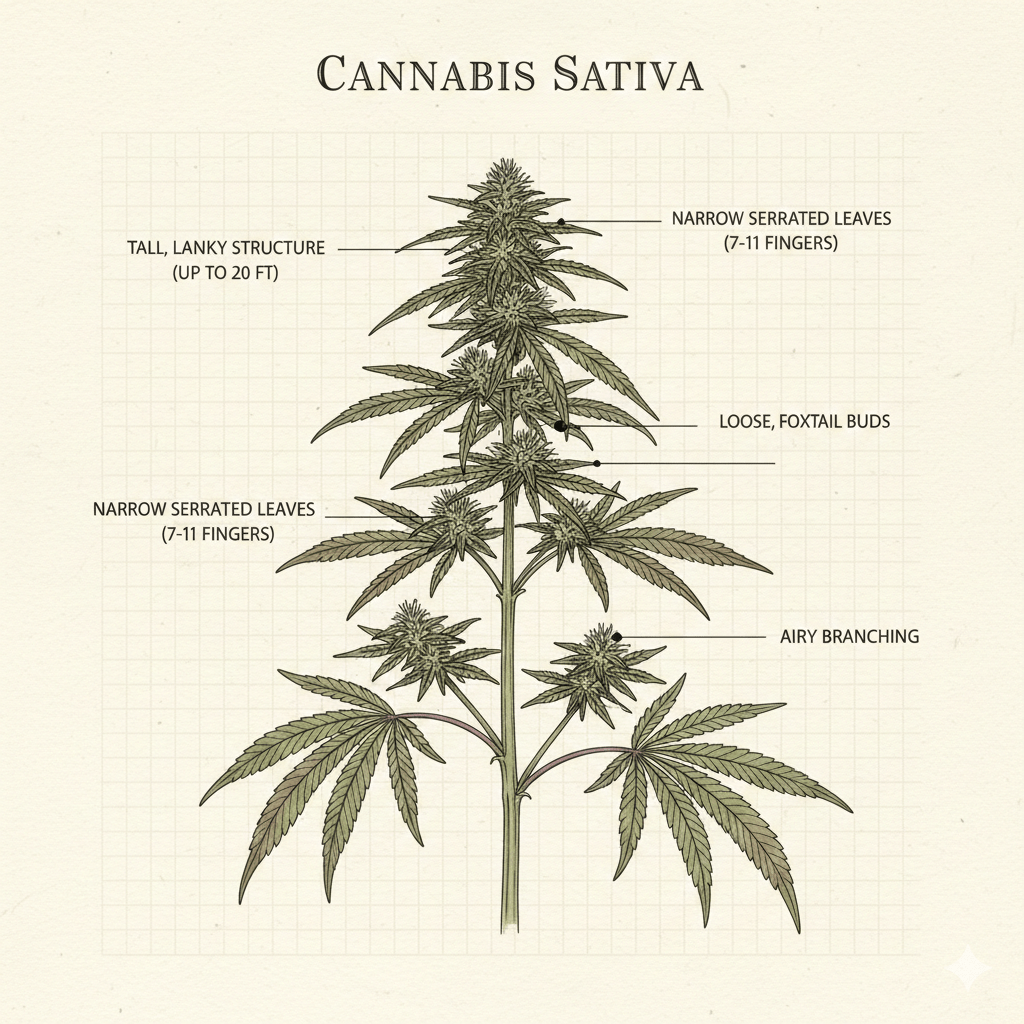
If you nailed germination and the seedling stage (as we covered just covered), you’re now ready for the big growth phases: vegetative and flowering.
Regular sativas are pure photoperiod plants, meaning they rely on light cycles to trigger flowering—no automatic blooming like autos.
These tall, energetic beauties reward patience with uplifting highs, but they demand more space and time than indicas or autoflowers.
Let’s dive in, highlighting what sets sativas apart from the other cannabis species.
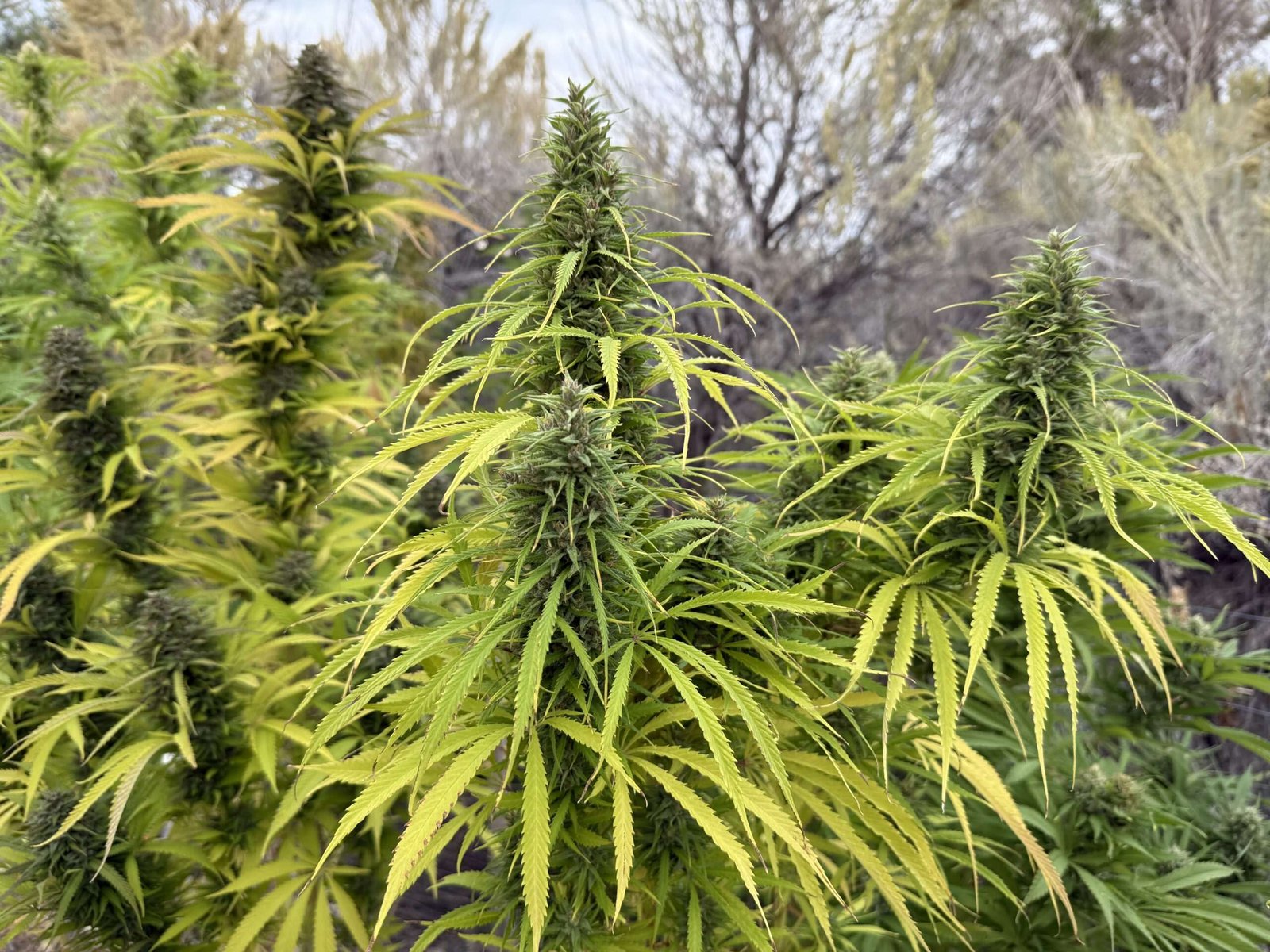
Sativas stand out for their tall, lanky structure with narrow, finger-like leaves, Christmas tree shape, and adapted to warm equatorial climates. They focus on vertical growth, often stretching dramatically, and produce airy, elongated buds with cerebral, creative effects.
The vegetative (veg) stage is all about explosive green growth—stems, branches, leaves, and roots. For regular sativas, keep them under 18-24 hours of light daily (18/6 is popular indoors) to prevent flowering.
- Duration: 4-12+ weeks (longer for bigger plants—sativas love extended veg to reach 3-6+ feet before flip).
- Light & Height: Intense LED or HPS lights; sativas stretch toward light, so train early to manage height Look to my manipulation category for guides.
- Nutrients: High-nitrogen formula (e.g., NPK like 3-1-2) for leafy growth. Feed moderately—sativas are often less hungry than indicas.
- Environment: 70-85°F (21-29°C), 45-60% humidity. Good airflow prevents mold; use fans to strengthen stems.
- Training Tips: Top, FIM, or low-stress train (LST) to create a bushier canopy—essential for sativas to avoid spindly growth and maximize yields.
- Watch For: Overwatering or nutrient burn; sativas grow slower initially than indicas but explode once established.
Flip to 12/12 light cycle (12 hours light, 12 dark) to trigger flowering. This is where sativas shine—and challenge—with their famous “stretch.” I tent to super-crop Sativas.
- Duration: 10-16 weeks (longer than indicas’ 8-10 weeks; autos finish in 7-10 total weeks).
- The Stretch: Expect 200-400% height increase in the first 2-4 weeks—sativas can double or triple! Indicas stretch 50-100%; autos barely stretch.
- Bud Structure: Airy, elongated colas (less dense than indica’s tight nuggets), more resistant to mold but lower yield per square foot.
- Nutrients: Shift to bloom formula (high phosphorus/potassium, lower nitrogen). Sativas often need fewer feedings than indicas—avoid excess to prevent burn.
- Environment: Drop to 65-80°F, 40-50% humidity to prevent bud rot. Support tall branches with stakes or nets. Prune the under story for max air circulation.
- Training in Flower: Use ScrOG (screen of green) to control stretch and even out canopy—great for sativas in limited space.
- Harvest Signs: 60-70% cloudy trichomes, amber pistils.
- Longer wait for full potency in pure sativas. Generally the longer you wait the more ‘heavy’ the effects.
Common Mistakes with Regular Sativa Cannabis
Insufficient space causes issues—these plants may want to get BIG so plan accordingly either indoors or out. Impatience is the downfall of many when it comes to the long winded sativas.
- Uncontrolled Stretch: LST or top early, I am a supper-crop guy, and use the technique alot.
- Overfeeding: Feed gently…under feeding is always better then over-feeding, organic preferred (100% in my gardens).
- Late Sexing: Check pre-flowers daily, do not let a male sneak in if you want sinsemilia.
- Early Harvest: Again be patient with Satinas.
Advanced Tips for Regular Sativa Breeding
If you’re ready to take your regular sativa seeds to the next level, breeding opens up endless possibilities for custom strains with that signature uplifting, cerebral magic.
Regular sativas are photoperiod plants, producing both males and females, which gives you full control over genetics.
Advanced breeding tips for sativas:
- Select vigorous males early—look for strong stems, resinous scent, and fast veg growth, tall plants; cull weak, or short ones.
- Use controlled pollination: Isolate females, hand-pollinate select branches, and bag to prevent stray pollen.
- Extend veg for bigger mothers—sativas thrive with 8-12+ weeks veg to develop robust structure before flowering.
- Track phenotypes meticulously—note stretch, terpene profiles, and mold resistance (sativas tent to be more mold resistant).
- Backcross or stabilize over 4-7 generations—sativas take patience due to longer cycles, but the result can be stable, high-THC lines with unique uplifting effects.
Breeding regular sativas is rewarding but demands space, time, and observation. Start small, document everything, and enjoy the process. I tend to simply produce seed rather then taking on full breeding programs to create stable new strains. This is really only accomplished well if one can grow 100’s of plants.
Legal Considerations and Disclaimers
Always check local laws before growing cannabis, as legality varies by location with 2026 updates. All content on JCS is educational only.
USA Cannabis Laws….Worldwide Cannabis Laws….Remember cannabis laws are in constant flux, and can change without warning…be informed.
Conclusion
Regular Sativa seeds offer energizing, creative journeys with natural diversity that’s deeply satisfying. From my 5 decades managing stretch to savoring uplifting harvests, they’ve inspired endless appreciation. Although I love the medical benefits of the Indicas, Sativas are def my favorite to grow.
Grow with passion, learn continually, explore my blog for more information. With over 200 posts my goal is to create a useful cannabis library of knowledge.
• Who is the Ghost? (My Reveal)
• Cannabis Growing Guide 2025-2026
• Real Grower Success Stories
• Real Customer Harvest Photos
This article is provided for educational and informational purposes only. It is not intended as cultivation or grow advice, nor does it encourage any illegal activity. All cannabis seeds sold on JustCannabisSeed.com are novelty items, souvenirs, and collectibles only. Germination and cultivation of cannabis seeds may be illegal in your jurisdiction—you are solely responsible for complying with all local, state, and federal laws. We do not condone breaking any laws. For full details, please read our Disclaimer, Terms & Conditions, and Privacy Policy.