Blog
Gravity and Seeps and Wells: Zero-Power Watering Hacks for Dry Climate Guerrilla Growing
Creative Ways to Water a Secret Cannabis Guerrilla Grow
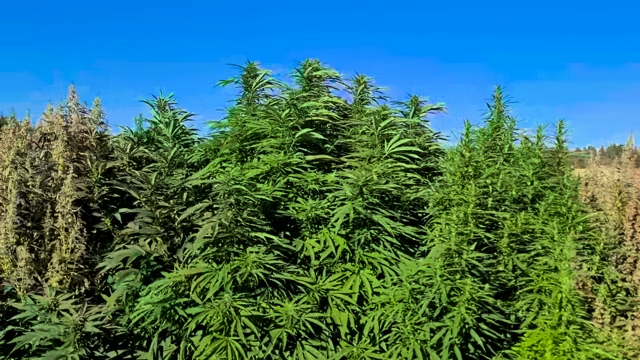
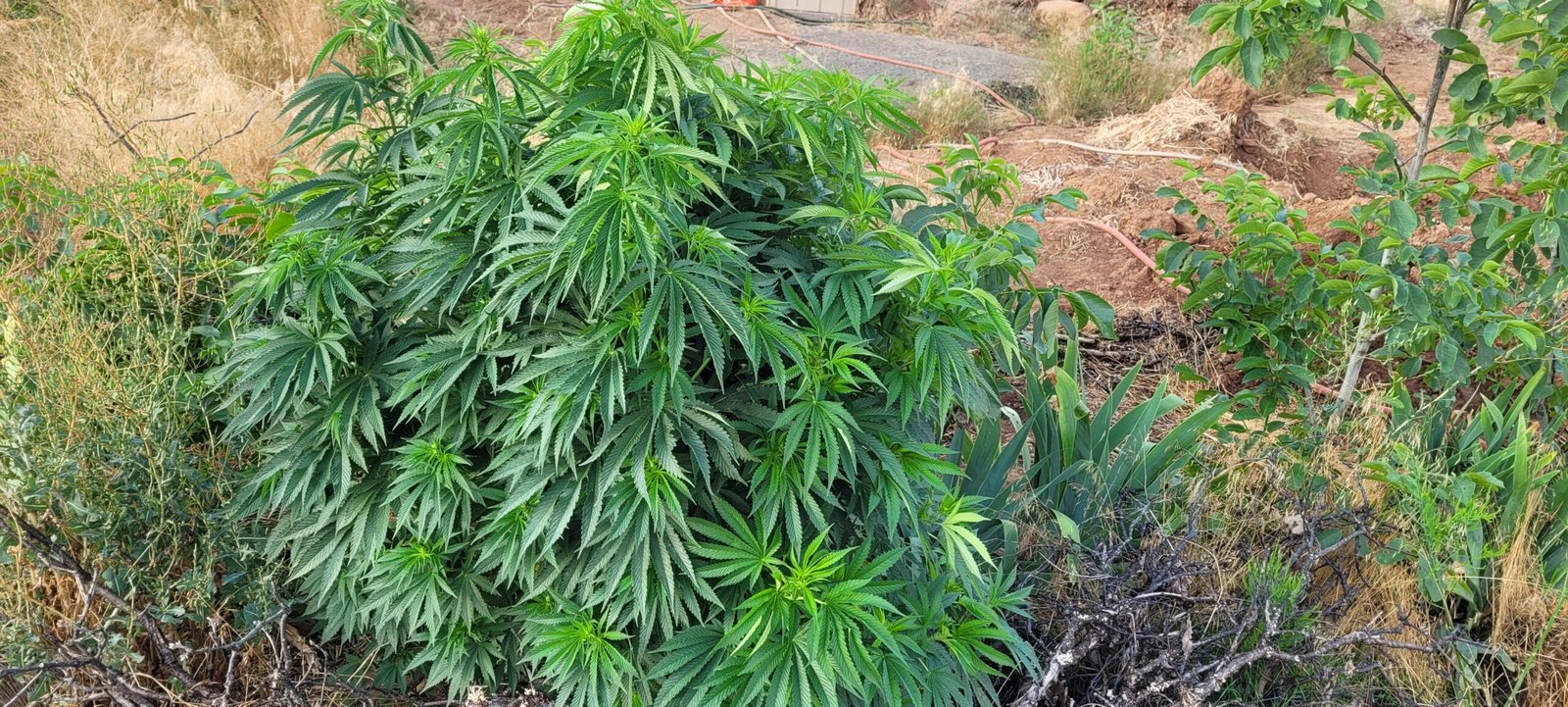
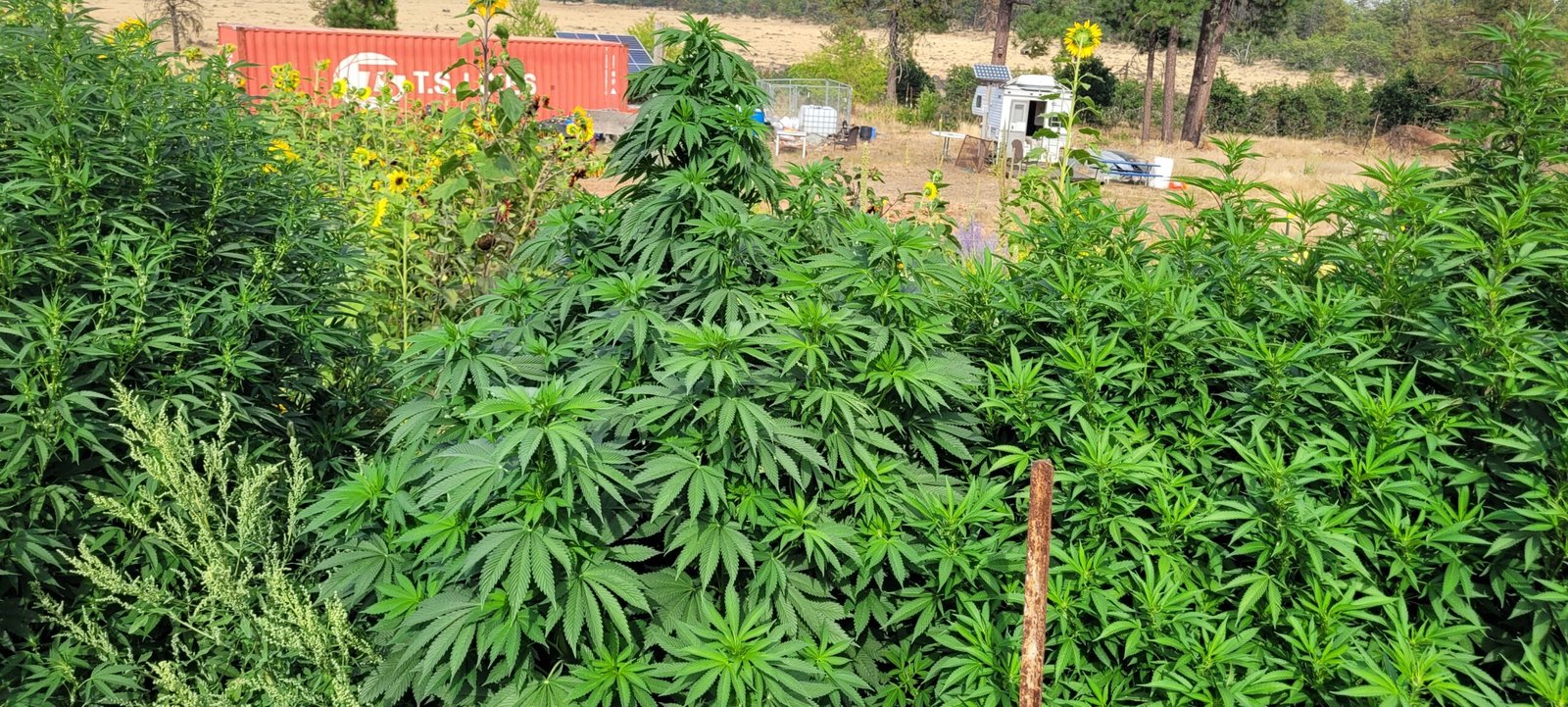
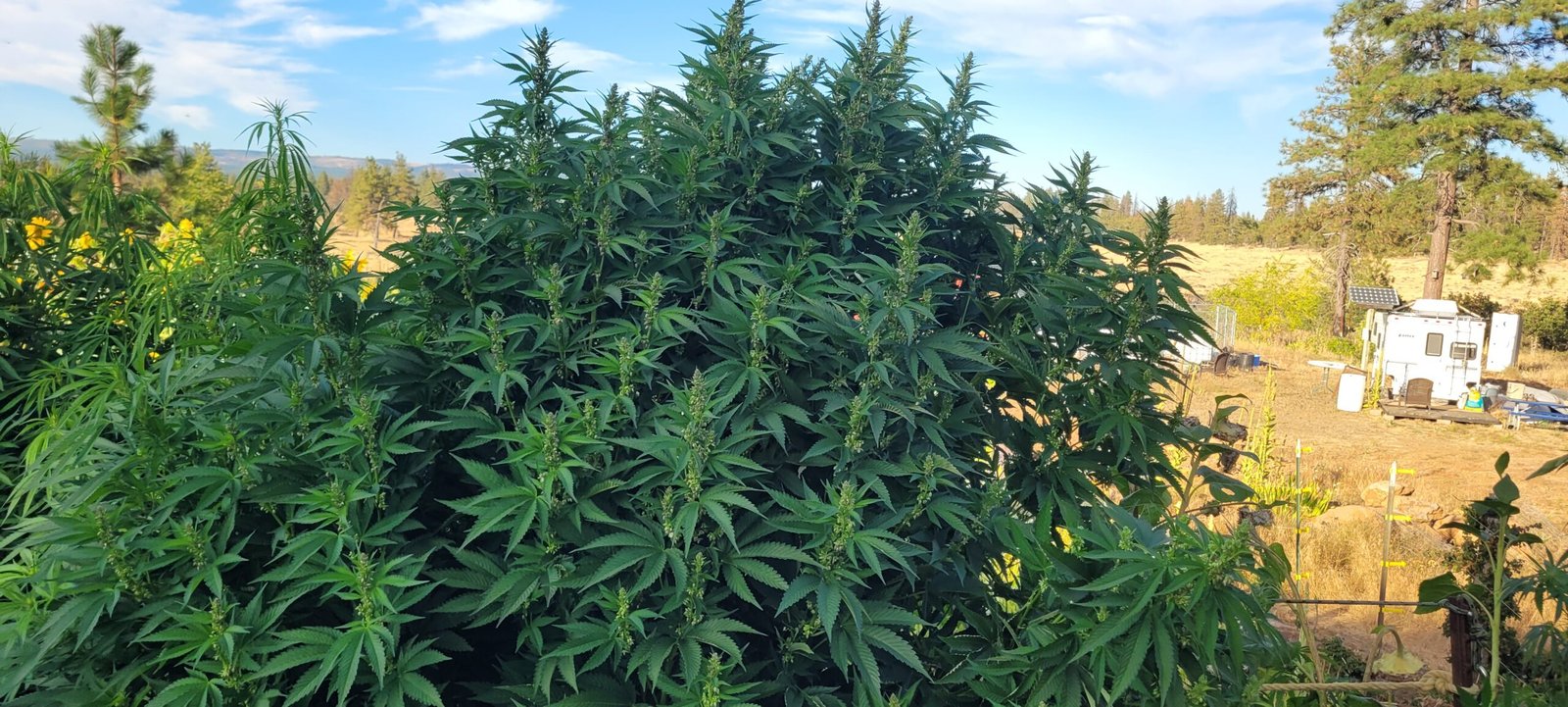
If you grow in arid country, water will make you or break you. When July and August hit the dry hills, use dry climate guerrilla growing to help your cannabis plants reach their full potential. One must always remember the bigger the plant the more water it will want.
Packing five-gallon jugs on your back in ninety-degree heat is a fast way to blow out your knees—and worse, it beats a well traveled, unmistakable trail through the grass straight to your grow.
If you want a wilderness patch to survive the summer drought without wearing a path into the hillside or hauling noisy generators and pumps, you have to let gravity and natural hydrology do the heavy lifting.
1. Reading the Mountain: Hunting for Natural Seeps
You don’t need a rushing trout stream to find moisture. In fact, planting right on a main creek is risky because fishermen, game trails, and timber cruisers naturally follow open water.
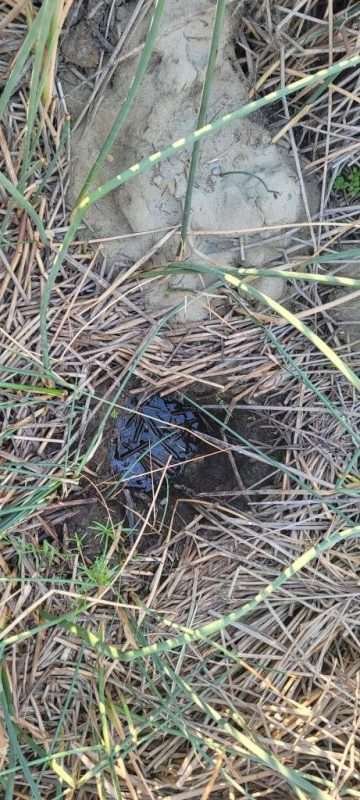
- Look for Hydro-Indicator Plants: Scan dry draws and north-facing fold lines for patches of wild stinging nettles, dense horsetail, elderberry, cottonwood, popular, or bright green willow shrubs surrounded by dry, dormant grass. These plants don’t lie—their roots are sitting in a steady subsurface water table.
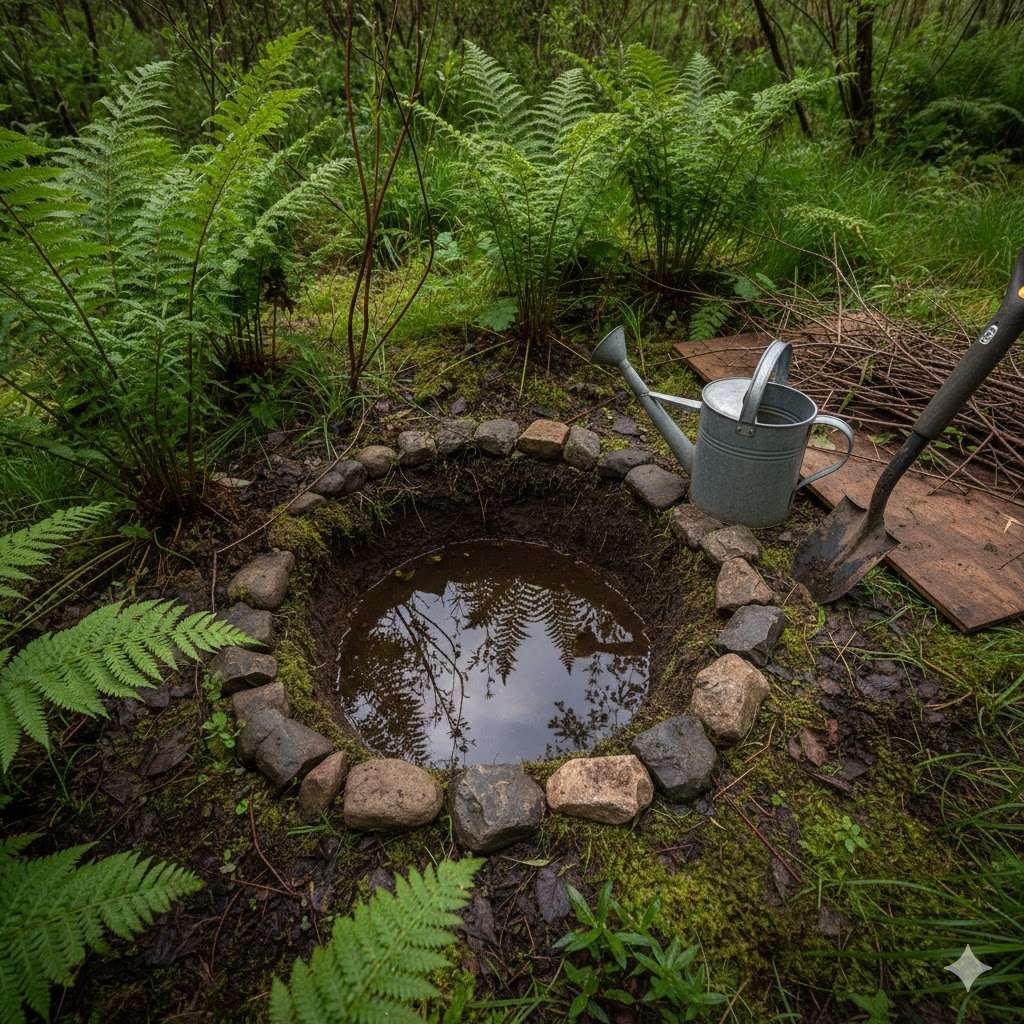
- The High-Draw Perched Aquifer: Often, a layer of bedrock or dense clay will force subterranean moisture close to the surface midway up a draw before it drops back down deep. Digging down just twelve to eighteen inches in these micro-swales will often reveal damp, cool dirt even during mid-summer droughts….or better yet standing water in a shallow hand dug well.
2. The Buried Sub-Surface Reservoir Trick
Surface watering in an arid climate wastes half your water to pure air evaporation and creates a crusty soil cap. Sub-surface reservoir systems deliver moisture directly to the root zone with zero surface footprint.
- Inverted Wick Jugs: Take clean food-grade jugs or 5-gallon buckets with tight lids. Punch small pinholes in the lower sides or insert cotton wicks/nylon cords through the bottom, or even back out the top.
- Bury at Root Level: Sink the reservoir into the native soil right between your planting pockets so the lid sits flush with the dirt.
- Top-Off and Disguise: Camouflage the top with local rock, bark, and dead pine needles. When you do make a discreet maintenance visit, filling the reservoir feeds the root zone steadily for days via capillary action without splashing mud on leaves or washing away topsoil. It is always best to leave no sign if possible.
3. Passive Gravity Siphons: Zero Moving Parts
If you find a seep or pooled rock depression sitting even ten or fifteen feet higher up the ridge than your planting bed, gravity gives you all the water pressure you need.
- Black Poly Micro-Lines: Use thin 1/4-inch or 1/2-inch UV-resistant black poly drip tubing. Black tubing tucked into rock fractures and leaf litter…it needs to be virtually invisible from ten feet away.
- Primitive Sediment Traps: Never stick an open hose straight into silt. Encase the intake line inside a perforated container wrapped in coarse landscape mesh or clean gravel to prevent dirt from plugging your line.
- Low-Flow Drippers: Install low-volume, pressure-compensating emitters (0.5 to 1 GPH) or simple adjustable stakes directly at the base of the root zone. A tiny, steady trickle over 24 hours hydrates a root zone far better than dumping twenty gallons all at once.
- Don’t Ever Be This Guy: Never even think about doing what some unscrupulous growers have done, make a pond in the creek and just dump fertilizer in it for your plants. I have always been 100% organic, and I always leave any spot better then when I found it.
4. Locking in Moisture: The Deep Trench and Heavy Mulch
Capturing water is only half the equation; keeping it in your plants root zones is the other half.
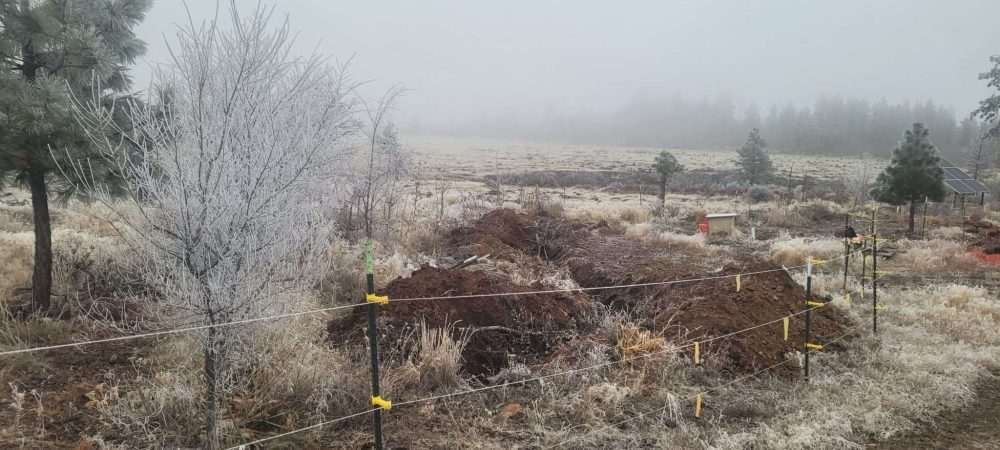
- Sunken Beds Over Mounds: In wet climates, growers build mounds to drain excess water. In dry country, do the opposite. Plant in slight depressions or sunken pockets that catch morning dew, condensation, and any rare summer rainfall….as well as hold any water you dump into it.
- Dead-Fall Biomass Base: When prepping your hole, drop seasoned, decaying wood fragments or spongy, rotten punk-wood into the bottom before adding your amended soil. Decaying wood acts like an underground sponge, holding gallons of moisture deep under the root plate where surface heat cannot evaporate it.
- The Thick Armor Cap: Cover every square inch of exposed soil around the base of the plant with two to three inches of seasoned wood chips, crushed dry pine needles, or dry brush mulch. Keeping the sun off the bare earth drops root-zone temperatures by fifteen to twenty degrees and slows evaporation to a crawl.
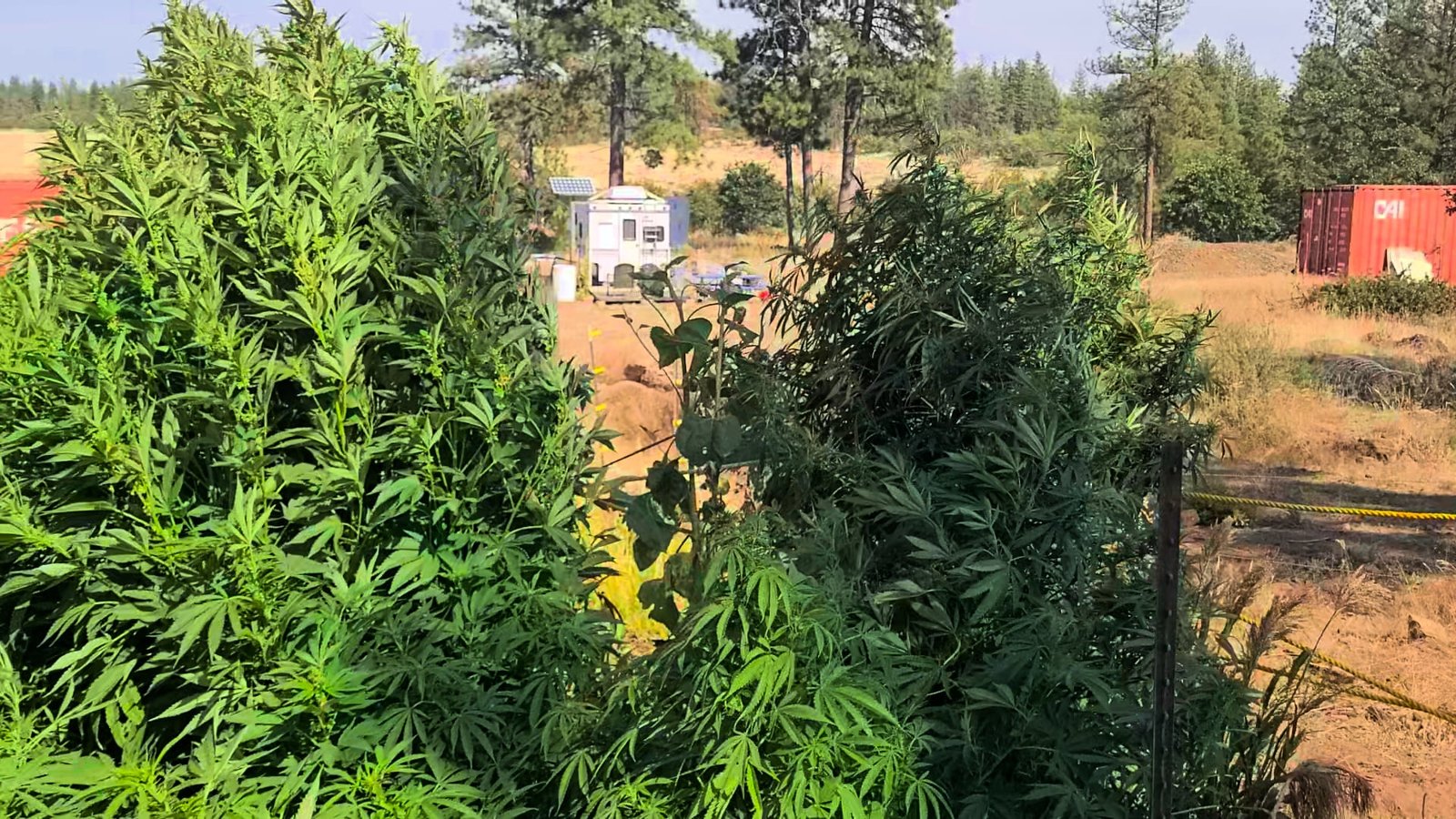
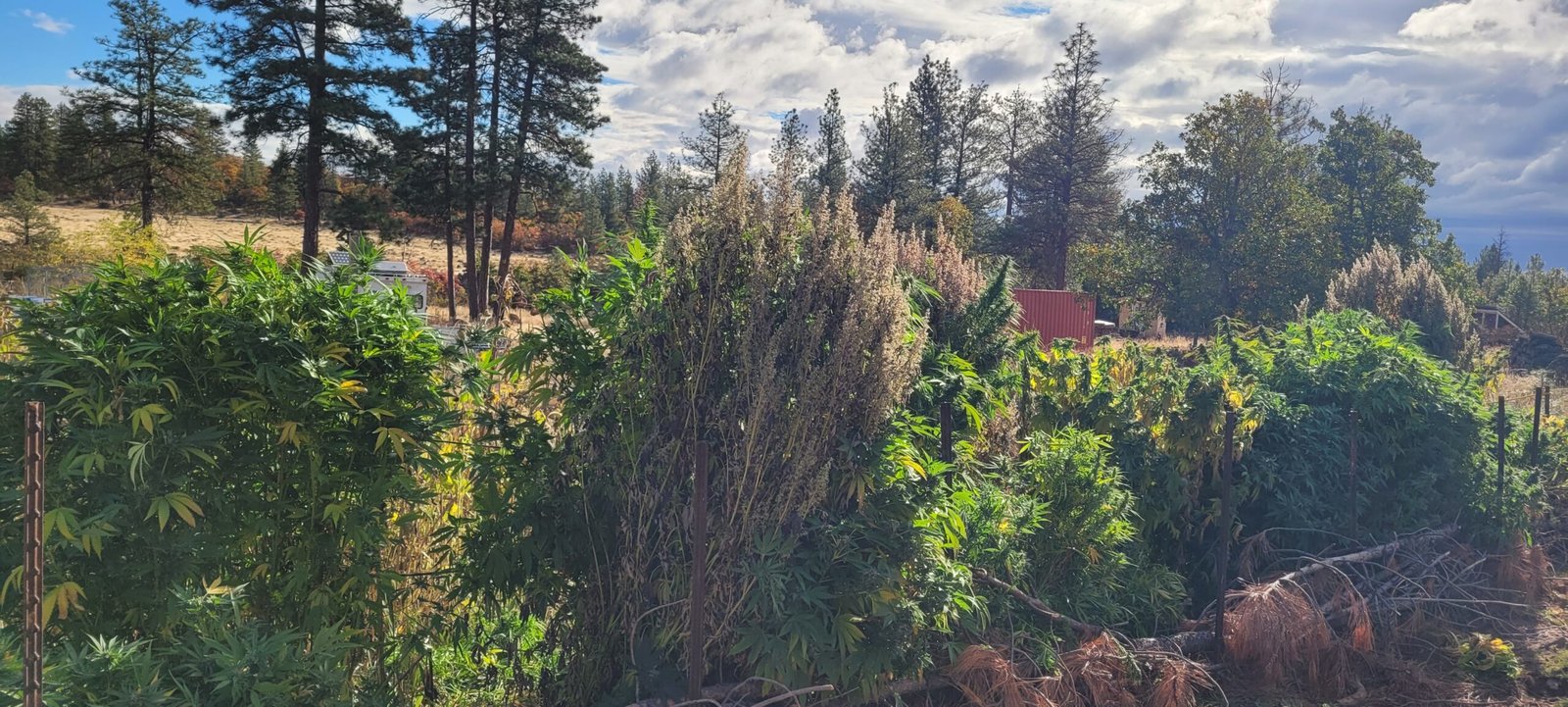
Work with the slope, tap the hidden moisture already moving through the hill, and let gravity keep your garden green while the rest of the mountain turns brown….which sadly can stick out like a sore thumb…but that is the nature of the beast.
Never Miss a Field Note or Grow Update
Get direct heads-up emails whenever new grow guides, strain stories, and farm trials are posted.
Join the JCS Email List• Who is the Ghost? (My Reveal)
• Cannabis Growing Guide 2025-2026
• Real Customer Testimonials & Reviews
• Real Customer Harvest Photos
This article is provided for educational and informational purposes only. It is not intended as cultivation or grow advice, nor does it encourage any illegal activity. All cannabis seeds sold on JustCannabisSeed.com are novelty items, souvenirs, and collectibles only. Germination and cultivation of cannabis seeds may be illegal in your jurisdiction—you are solely responsible for complying with all local, state, and federal laws. We do not condone breaking any laws. For full details, please read our Disclaimer, Terms & Conditions, and Privacy Policy.