Blog
Finding the Unfindable Patch: The Ghost’s Rules for Guerrilla Grow Site Selection
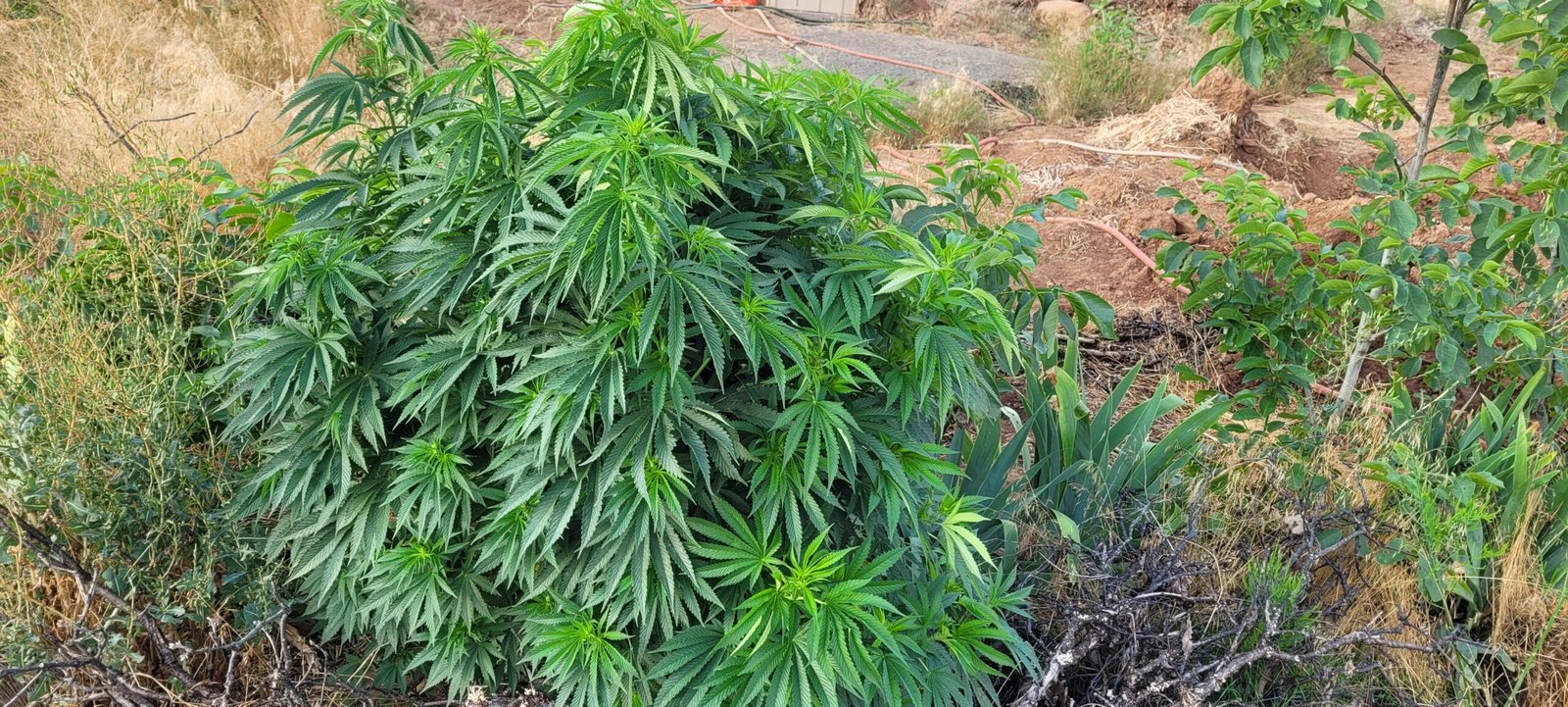
Finding Guerrilla Growing Spots No One Will Ever Find!
Learn The Ghosts rules for guerrilla grow site selection….learn how to get your grow to harvest.
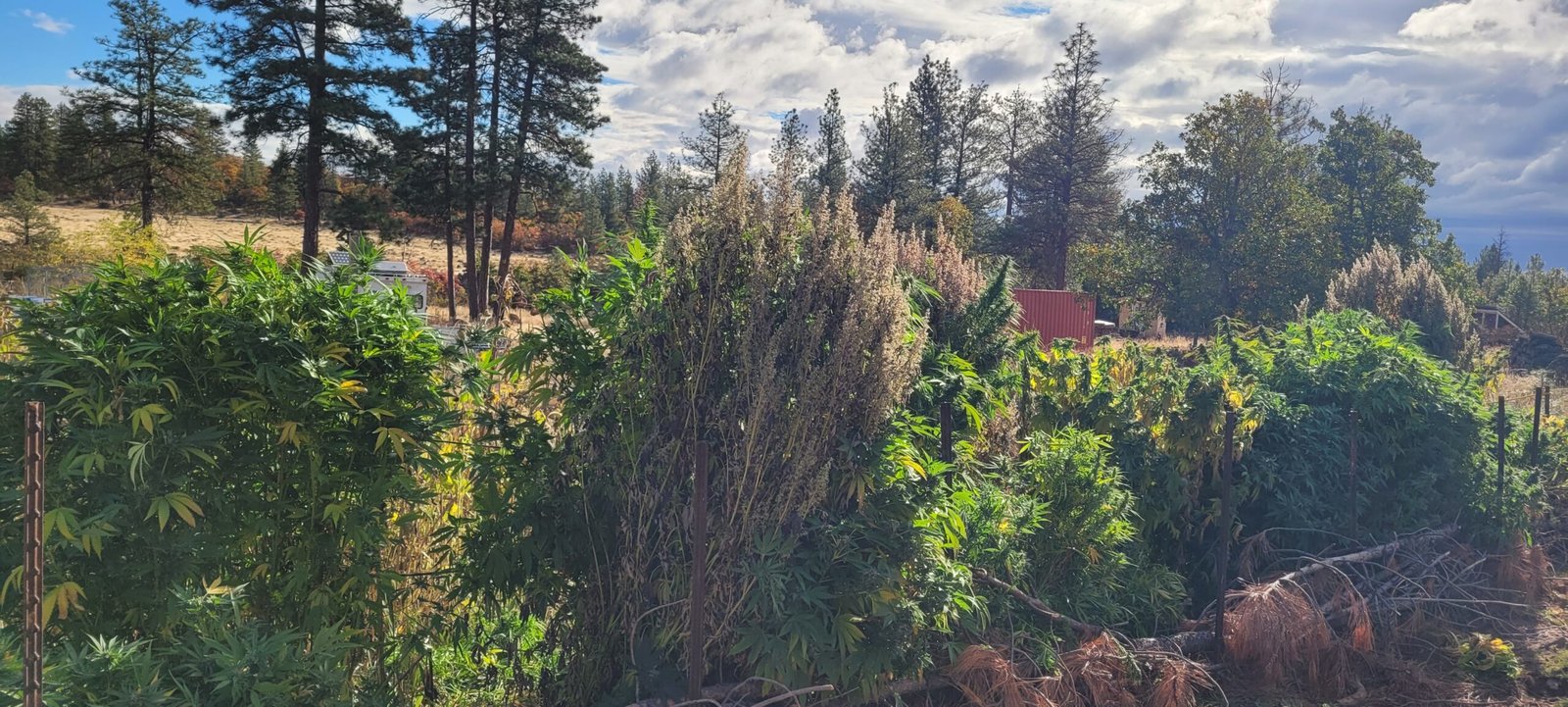
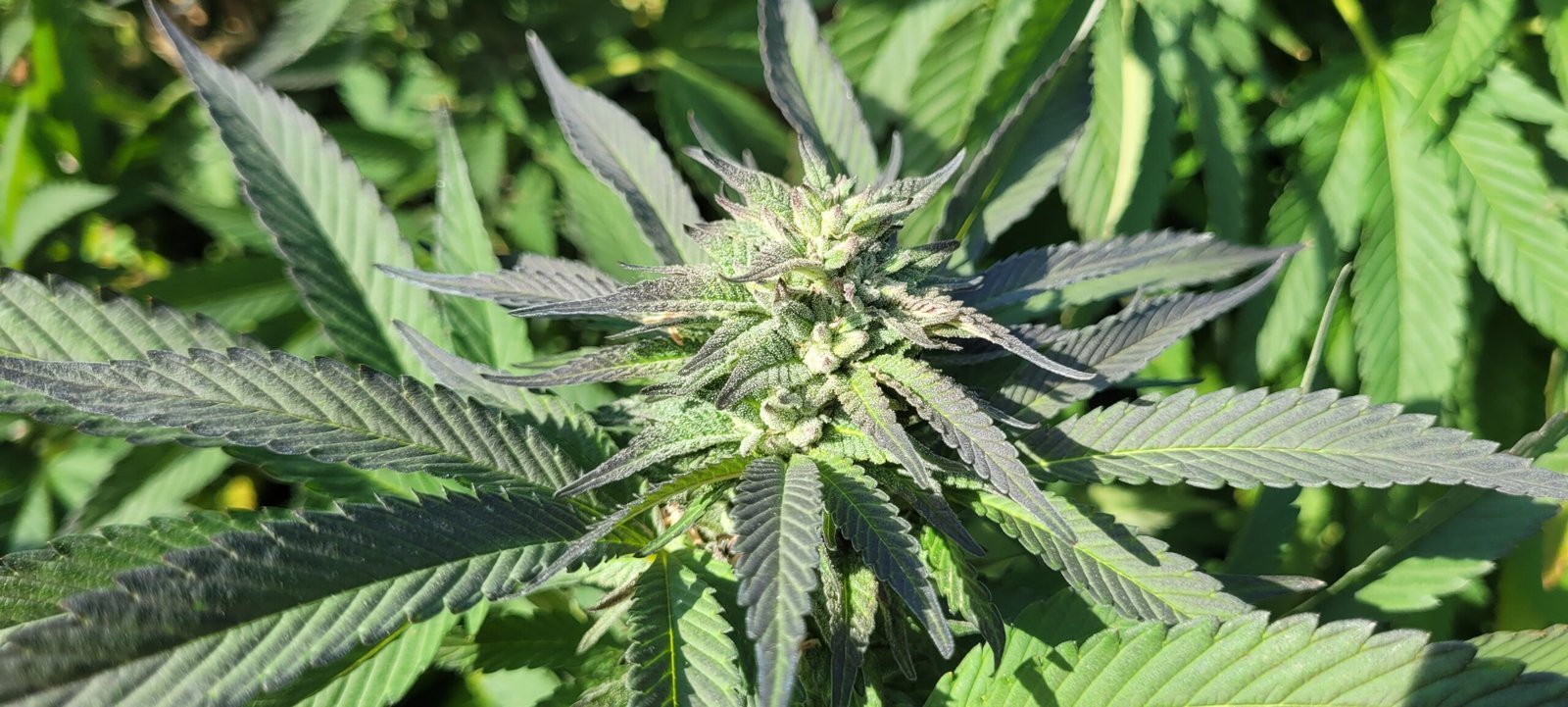
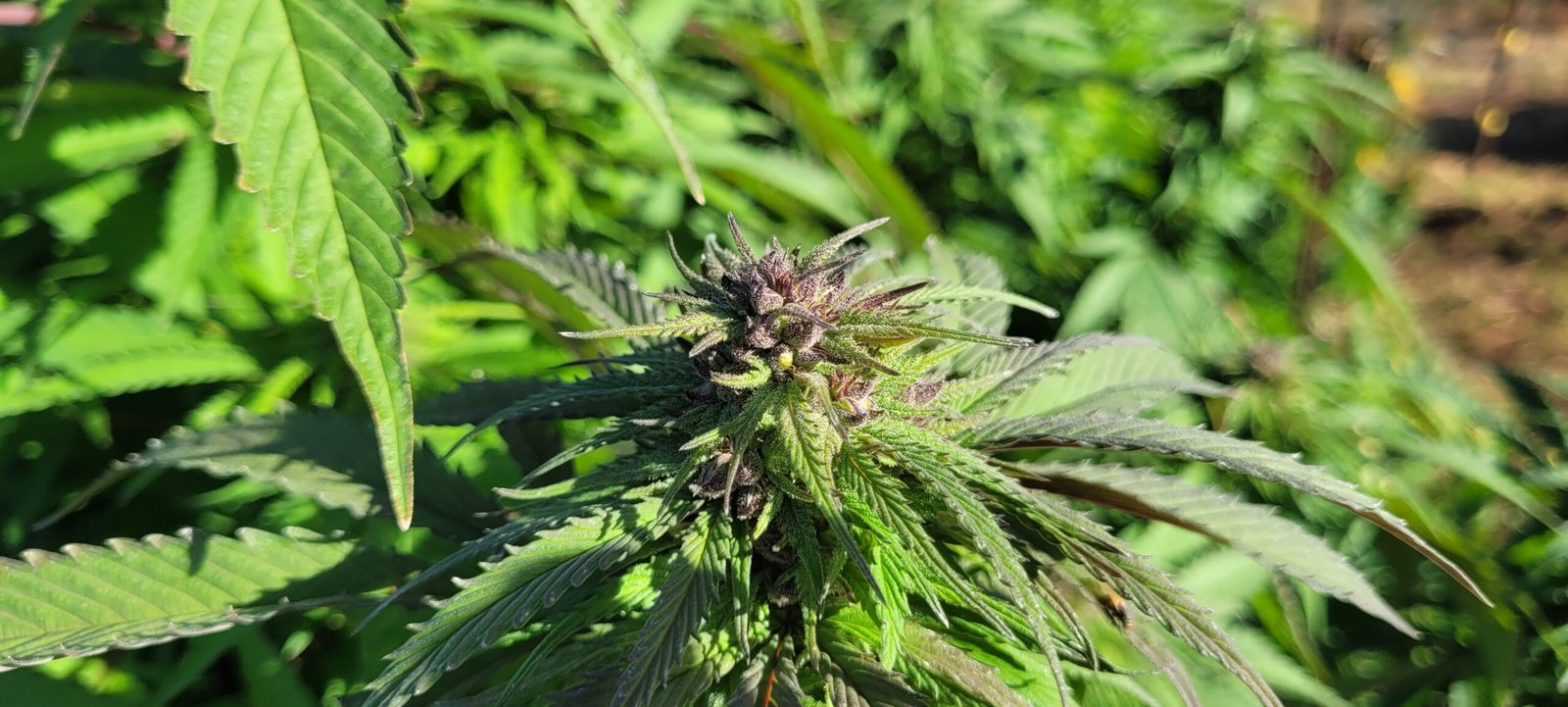
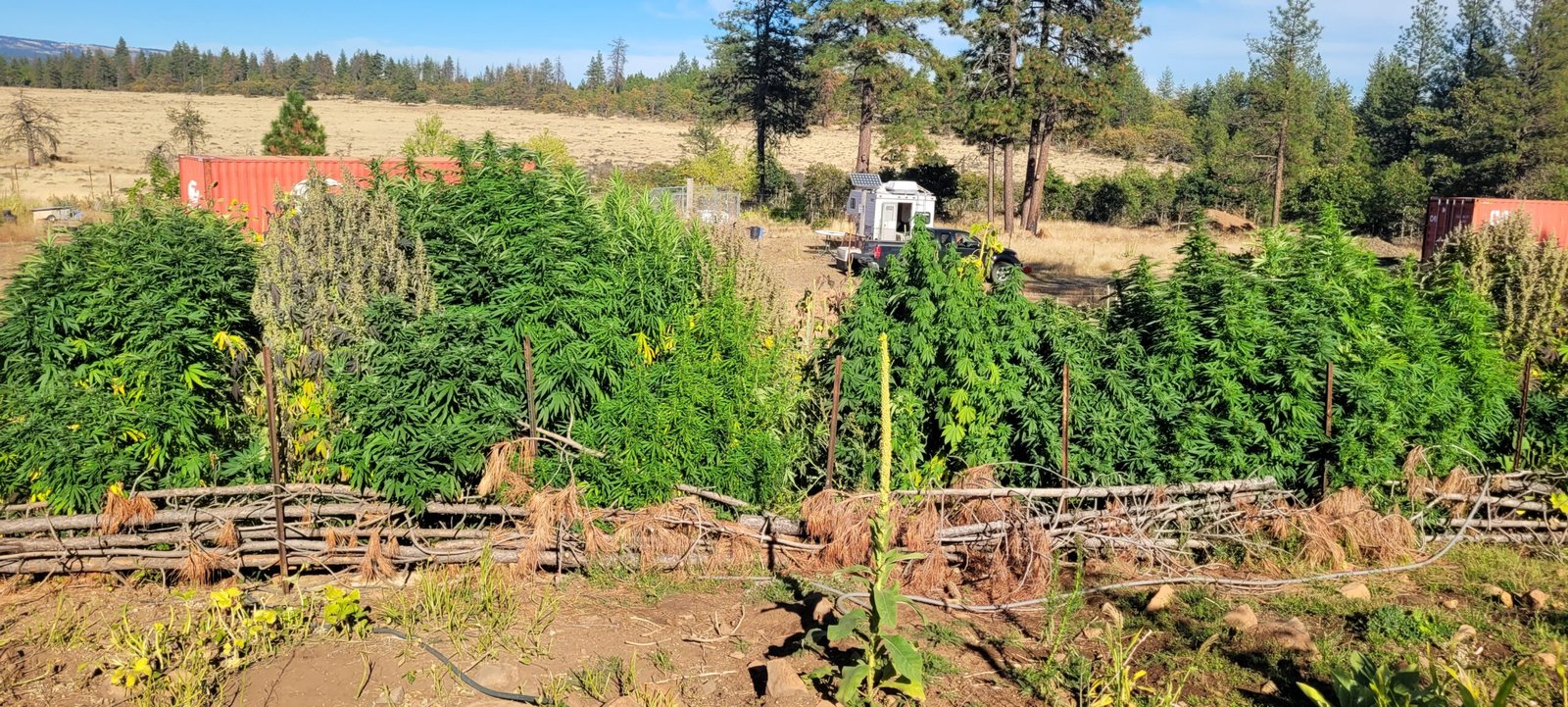
Back when running a guerrilla grow in the timber could cost you everything, your harvest was won or lost before a single seed ever sprouted. It all came down to the place you chose to grow.
A lot of greenhorns think guerrilla growing is just hiking a mile past a logging gate, finding a sunny clearing, and dropping plants in the ground. Do that, and you’re practically leaving an invitation for hikers, hunters, thieves, or the eye in the sky.
If you want a grow that makes it from spring thaw all the way to a heavy October chop without ever being seen, you have to look at the landscape like a thief. And, one way to almost ensure a harvest is what I called…going deep….going farther then thieves, hunters, and hikers will likley go.
1. Ditch the Obvious Clearings
Natural meadows and old logging skid landings look tempting because they’re wide open to the sun. They’re also the exact spots every hunter glassing a hillside looks at, every forester checks, and every chopper pilot spots.
- Look for Natural Cutouts: Find irregular openings inside thick brush—chokecherry, scrub oak, manzanita, or wild berry thickets.
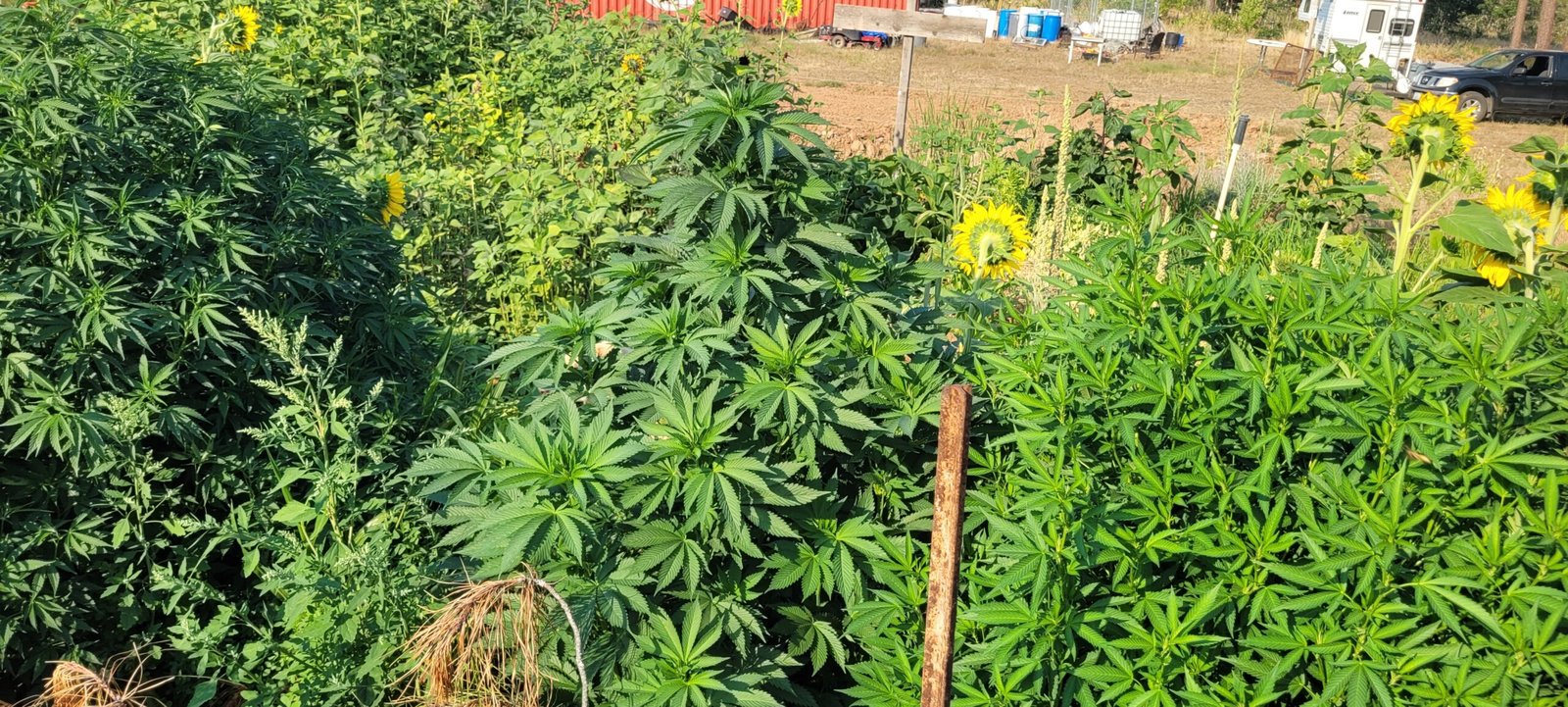
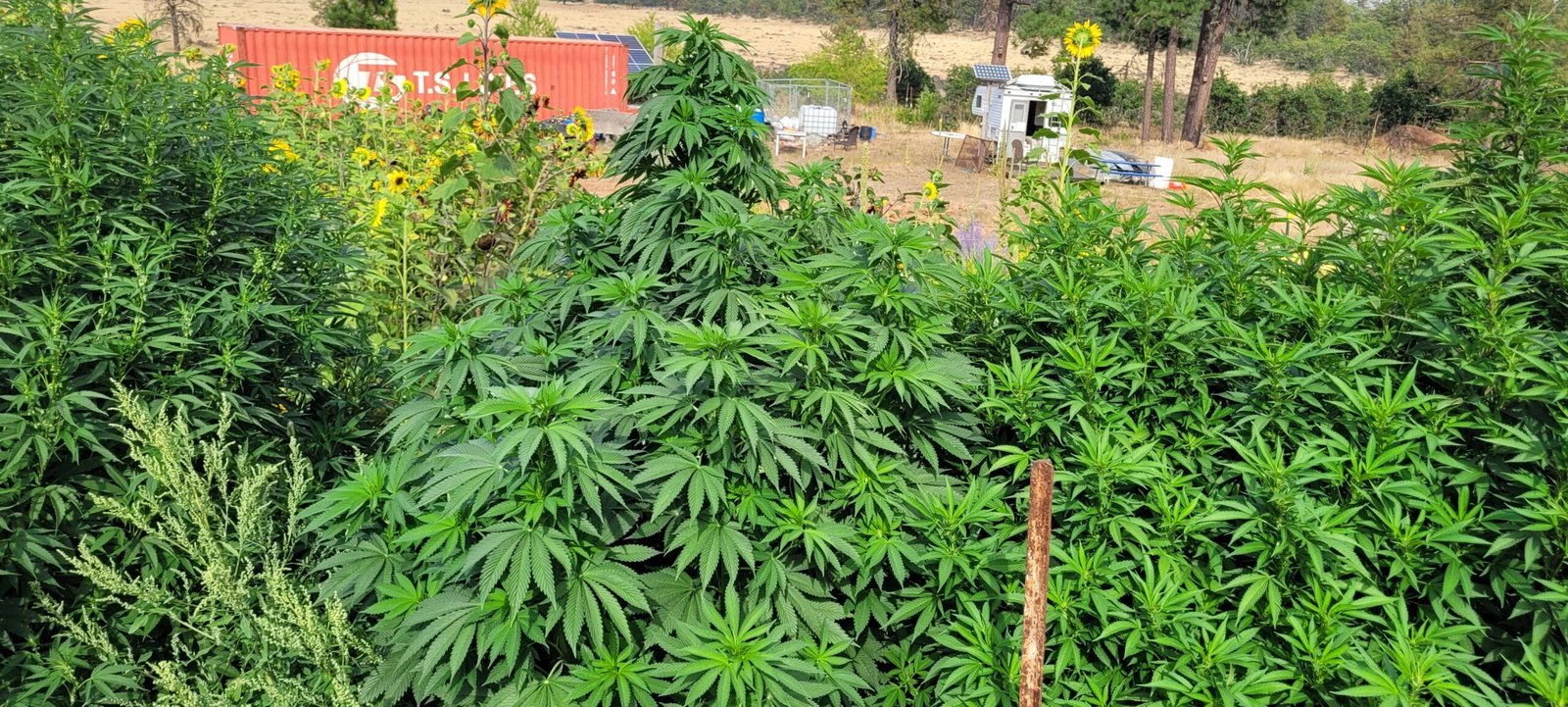
- Break the Outline: Never plant in neat rows or tidy squares. Nature doesn’t build in straight lines. Stagger your plants so they blend into the chaotic perimeter of the surrounding native brush.
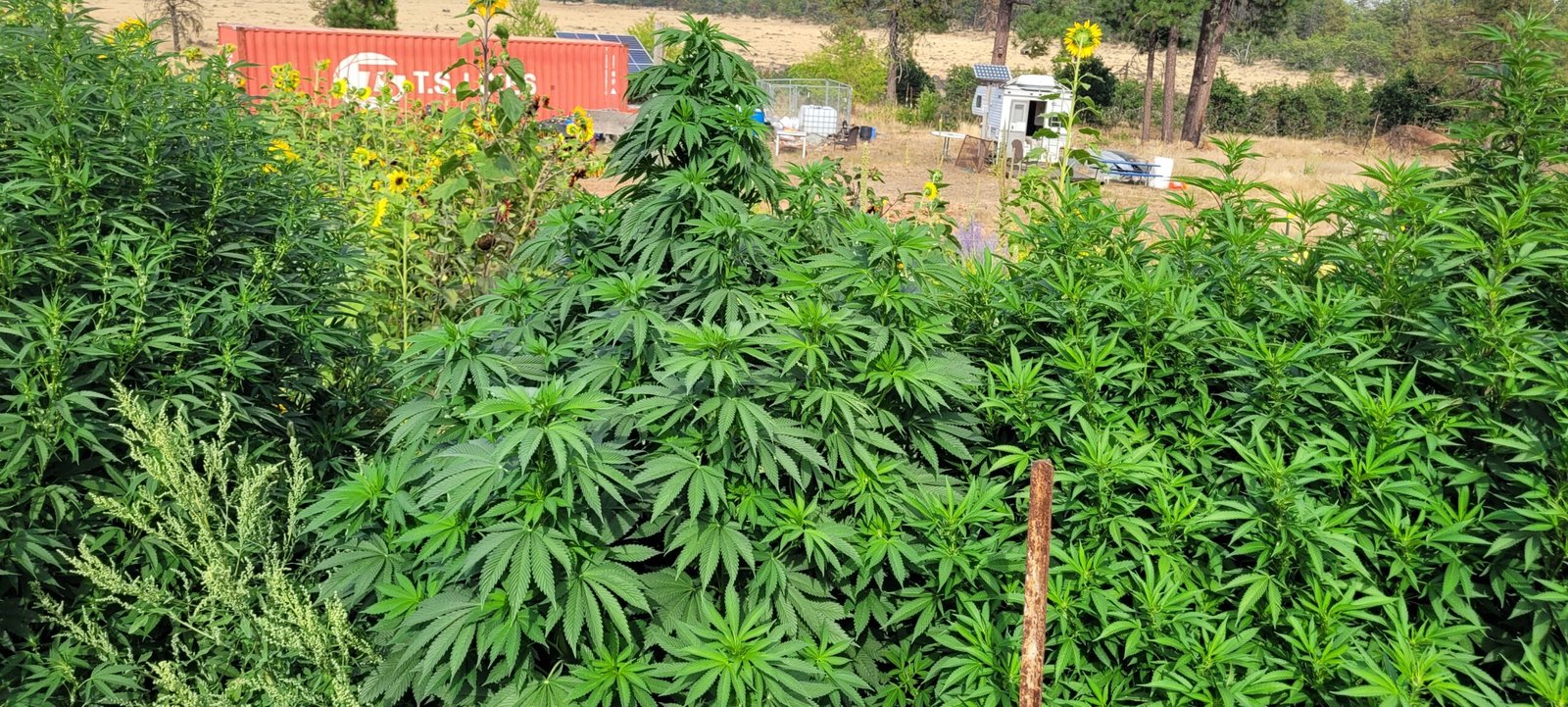
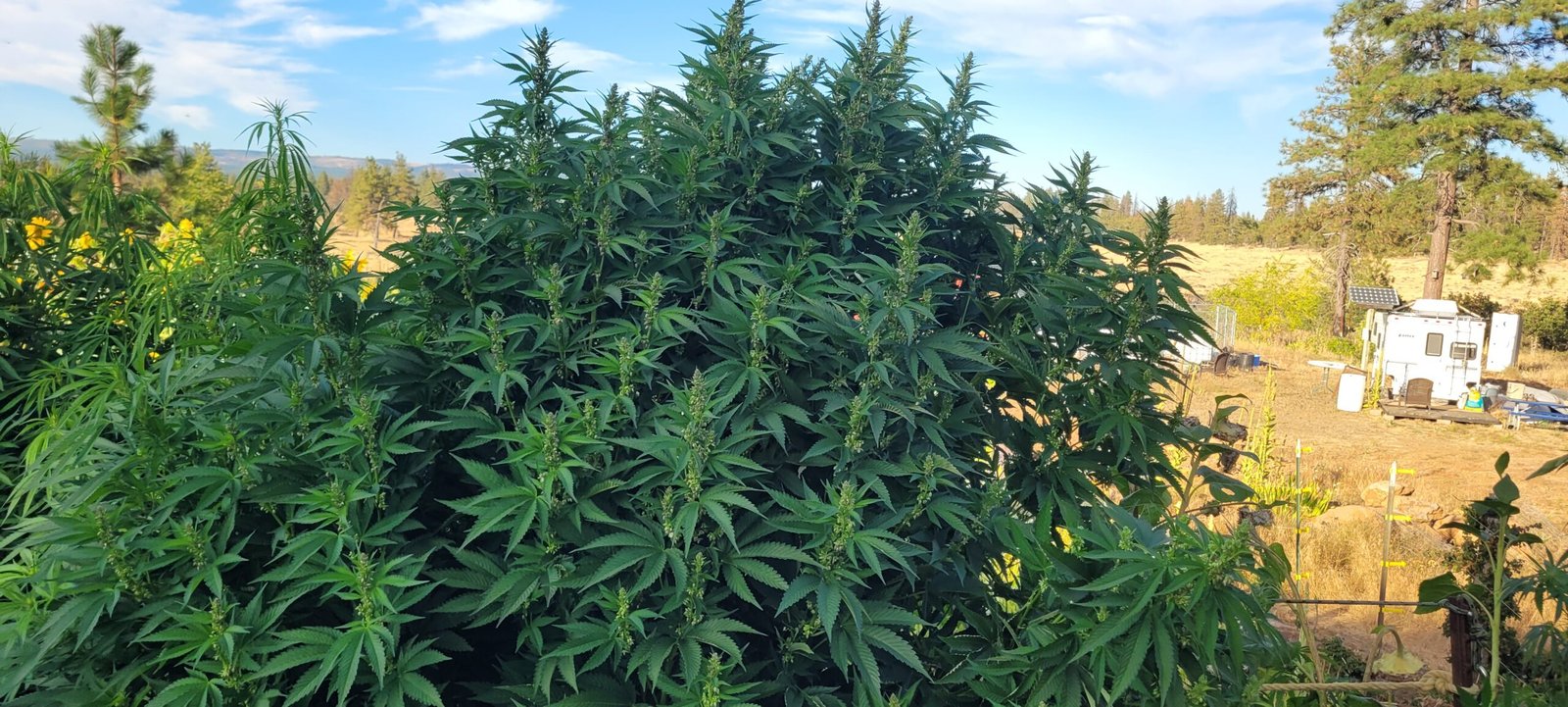
- Match the Canopy Height: If the native brush is five feet tall, your plants better not be seven. Pick spots where the surrounding cover naturally matches or exceeds your finished plant height.
- Wade a Creek: One favorite way to site a grow is to wade up a creek into some think brush. Choose a creek that fishermen are unlikely to want to fish…there is literally no one else likely to wade up the creek. Great for concealment, and you have water right there.
- Wade a Swamp or Marsh: I use to don chest waders and wade out into a marsh, or swampy area. I would look for trees growing out in it as this told me there was high ground. Literally no one else does this, I have found places that had not seen a human track in forever.
- Plant From a Boat: Very few people get out of their boat and explore the shore. And this is an easy way to be far from where anyone would ever get on foot. I would just search the banks for a seep or spring that is running into the lake or river I am in. Put the boat in where it cannot be seen by other boaters, and you are golden.
2. The Golden Rule of Water: Proximity Without the Bog
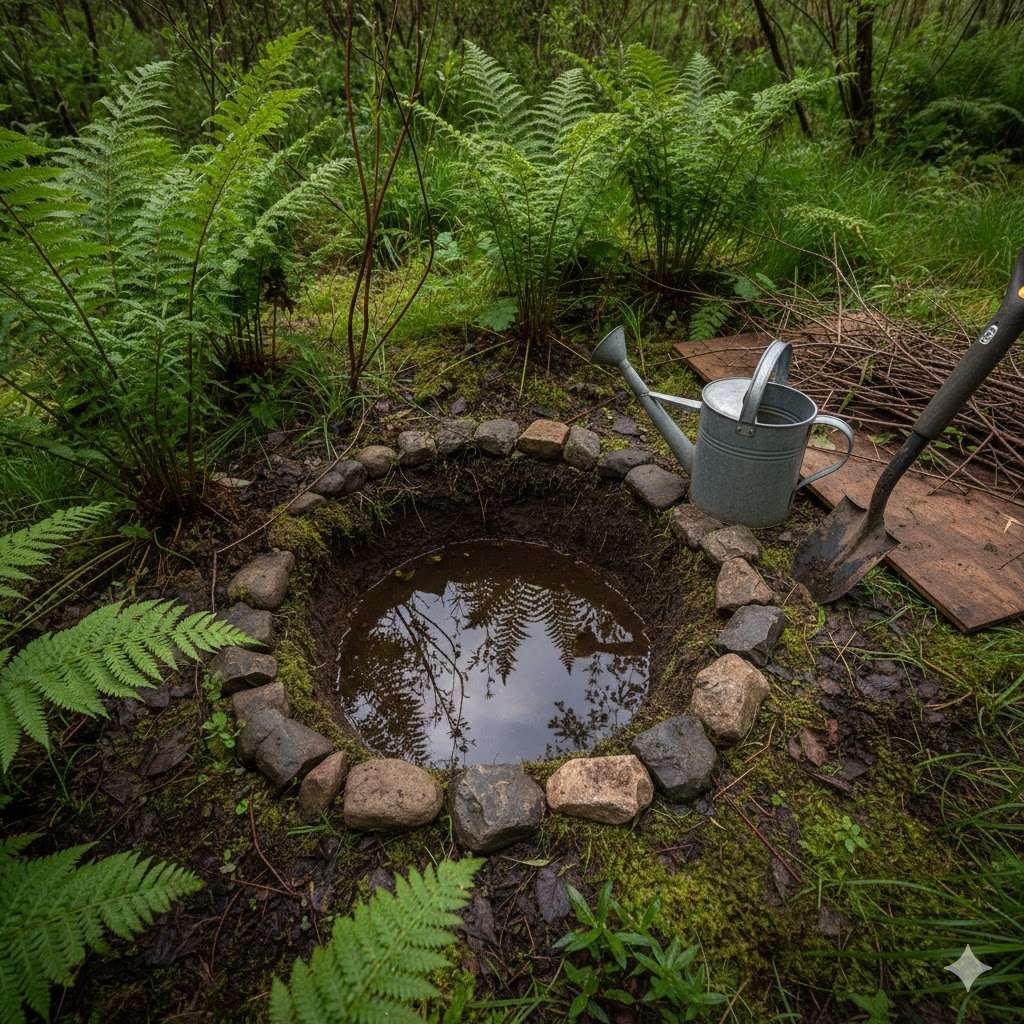
Water is heavy. If you have to pack five gallons of water on your back up a steep draw in ninety-degree July heat, you will burn out, break down, or beat a visible trail into the ground within three weeks.
- Find the High-Ground Seeps: Look for natural mountain seeps, seasonal draws with moist bottom dirt, or spots just above a creek drainage.
- Avoid Low Boggy Bottoms: Low creek bottoms stay cold, trap early fall frosts, lack breeze, and invite powdery mildew and botrytis. You want to be elevated slightly above the drainage floor where air still moves freely.
3. Sun Exposure vs. Aerial Shadows
You need sunlight to build dense, resinous colas, but full all-day exposure in a bare dirt patch creates high visual contrast from above.
- Southern and Southeastern Exposure: A hillside facing south to southeast catches the intense morning sun that burns off night dew fast—your best defense against mold—while getting critical hours of direct light.
- Use Native Shadow Lines: Position plants so they catch strong morning and midday sun, but sit near taller native vegetation that casts dappled shadows by late afternoon. From the air, unbroken flat green stands out; shadows and mixed canopy break up the telltale leaf signature.
- Plant Under a Tree: One favorite way to plant was under a tree on the north shore of a lake or river…with full southern exposure. The plants may struggle a bit in the middle of summer when the sun is directly overhead…but later in the fall as the sun is lower in the south your plants can get full sun. The eye in the sky simply do not fly out over the water, and look back towards the shore…they generally fly right overhead, and will only see the tree.
4. Human Traffic: Think Like a Trespasser
The best spots have natural barriers that make casual humans turn around.
- The Path of Maximum Resistance: If a spot is easy to walk into, somebody else will walk into it eventually. Look for steep side-slopes, thick thorny scrub, and deadfall timber that discourages game hunters and mushroom foragers.
- Beware of Modern Trail Cams: Today’s woods are full of cellular game cameras strapped to trees by hunters and landowners. Never set a patch near obvious game trails, logging road gates, fence lines, or property boundaries where people naturally hang trail cams.
5. Native Soil Clues
Before you commit to digging, check what’s already growing there.
- Good Indicator Plants: Look for vigorous wild nettles, elderberry, wild blackberries, or deep ferns. If these thrive, the soil has active biology, reasonable moisture retention, and decent nitrogen.
- Bad Indicator Plants: Avoid stands of heavy pine or cedar where the top layer is pure acidic needle cast and the dirt underneath is dry, powdery dust.
- Grow Where Lots of Plants are Growing: The easiest place to grow is where there is no competing vegetation…but don’t do it! You WANT to grow where you have to clear lots of big healthy plants! There are big healthy plants there because the soil is good, and your cannabis plants will get big too.
Find the right kind of soil, tuck your genetics where they blend, and stay off the beaten path. That’s how you stay invisible.
Never Miss a Field Note or Grow Update
Get direct heads-up emails whenever new grow guides, strain stories, and farm trials are posted.
Join the JCS Email List• Who is the Ghost? (My Reveal)
• Cannabis Growing Guide 2025-2026
• Real Customer Testimonials & Reviews
• Real Customer Harvest Photos
This article is provided for educational and informational purposes only. It is not intended as cultivation or grow advice, nor does it encourage any illegal activity. All cannabis seeds sold on JustCannabisSeed.com are novelty items, souvenirs, and collectibles only. Germination and cultivation of cannabis seeds may be illegal in your jurisdiction—you are solely responsible for complying with all local, state, and federal laws. We do not condone breaking any laws. For full details, please read our Disclaimer, Terms & Conditions, and Privacy Policy.