Blog
The 48-Hour Cold Snap: Protecting Late-Finishing Plants from Early Mountain Frost
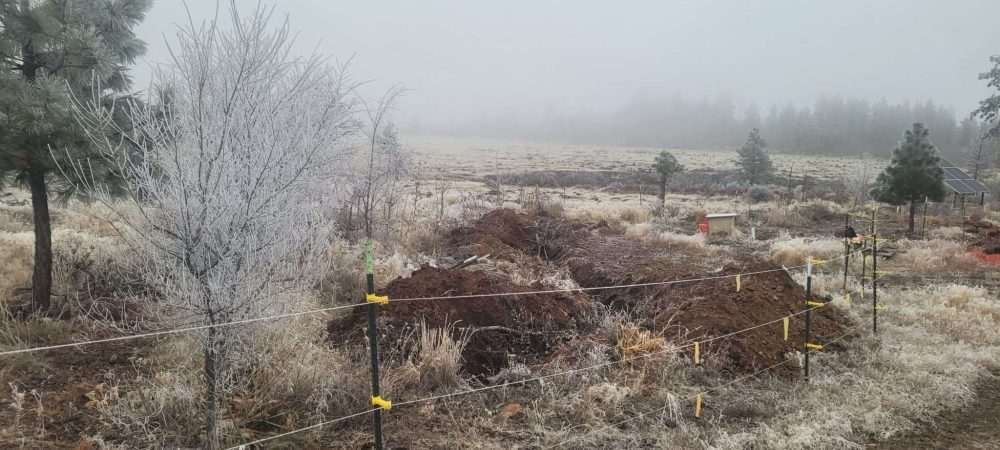
How to Protect Your Cannabis Plants From an Early Fall Frost
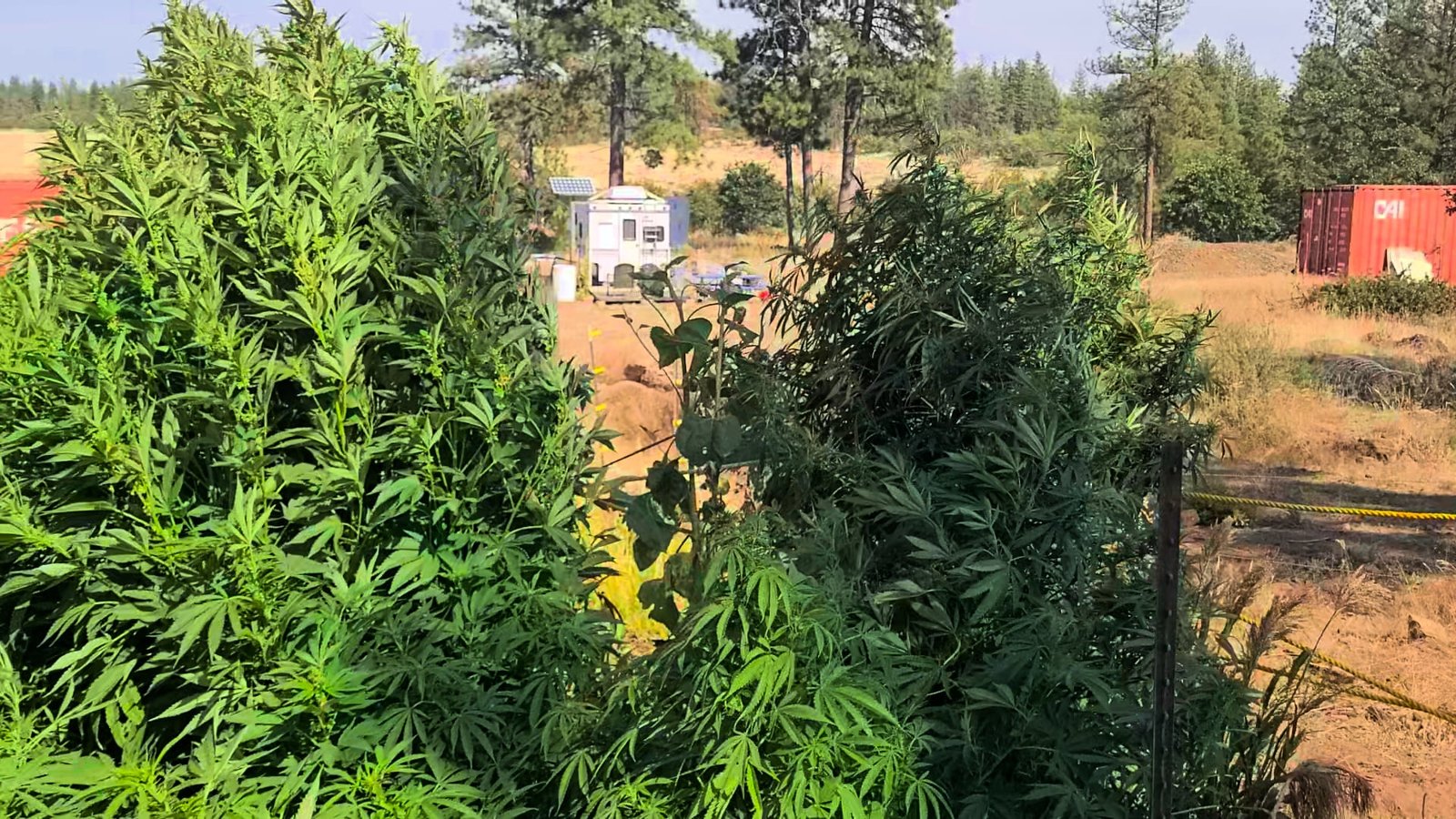
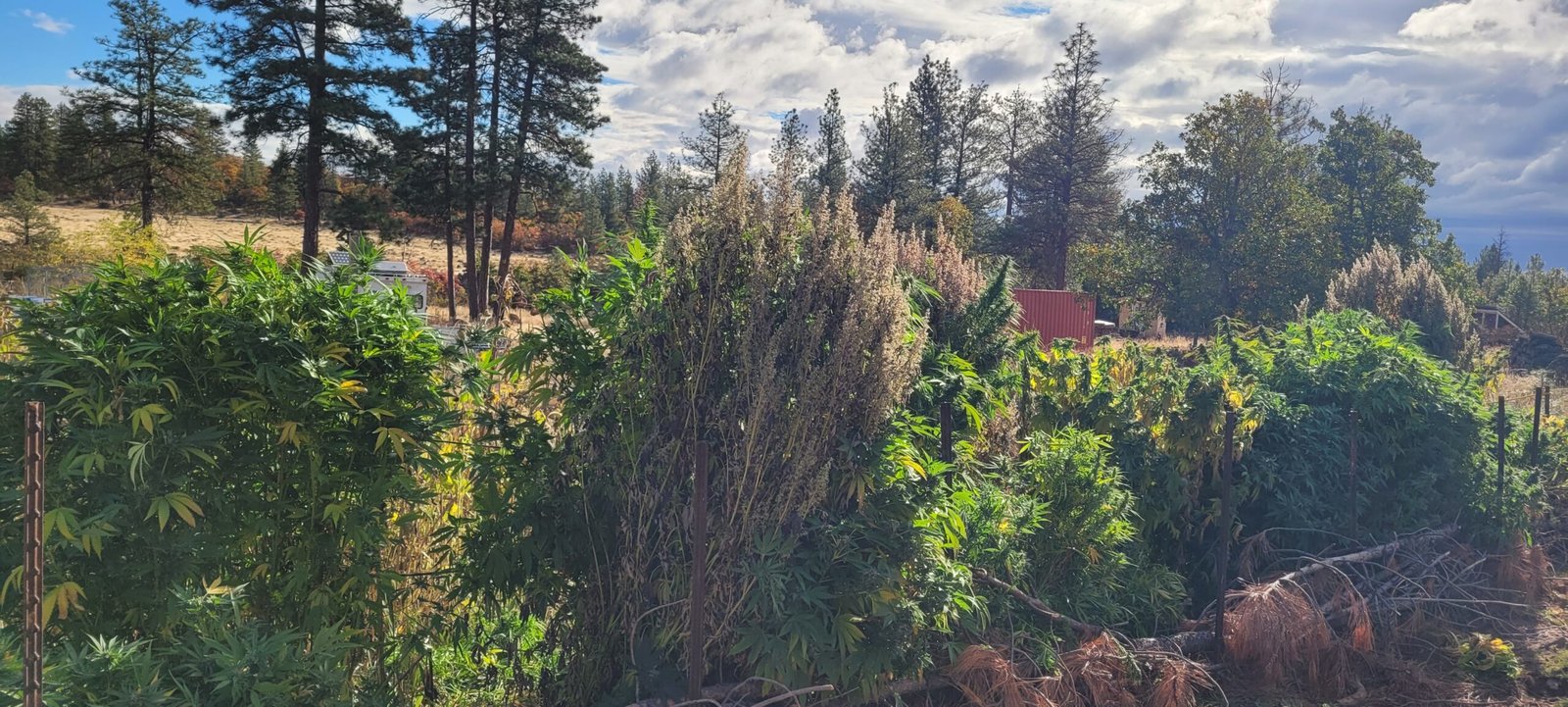
When you grow up in the mountains, September and October are a high-stakes gamble against the calendar.. You can do everything right all summer—feed your plants, haul water through ninety-degree heat, and keep the deer out—only to watch the mountain forecast drop a sudden 28°F freeze warning right when your colas need two more weeks to finish ripening.
A lot of growers panic, go to their garden, and chop immature, clear-trichome buds that yield airy, less then potent smoke.
An early mountain frost is usually just a quick, 48-hour cold front followed by another two weeks of mild Indian summer sunshine. If you know how to prepare your plants and work with natural thermal dynamics, you can ride out that freeze, protect your resin, and let your crop finish properly.
1. Water Heavily the Afternoon Before the Freeze
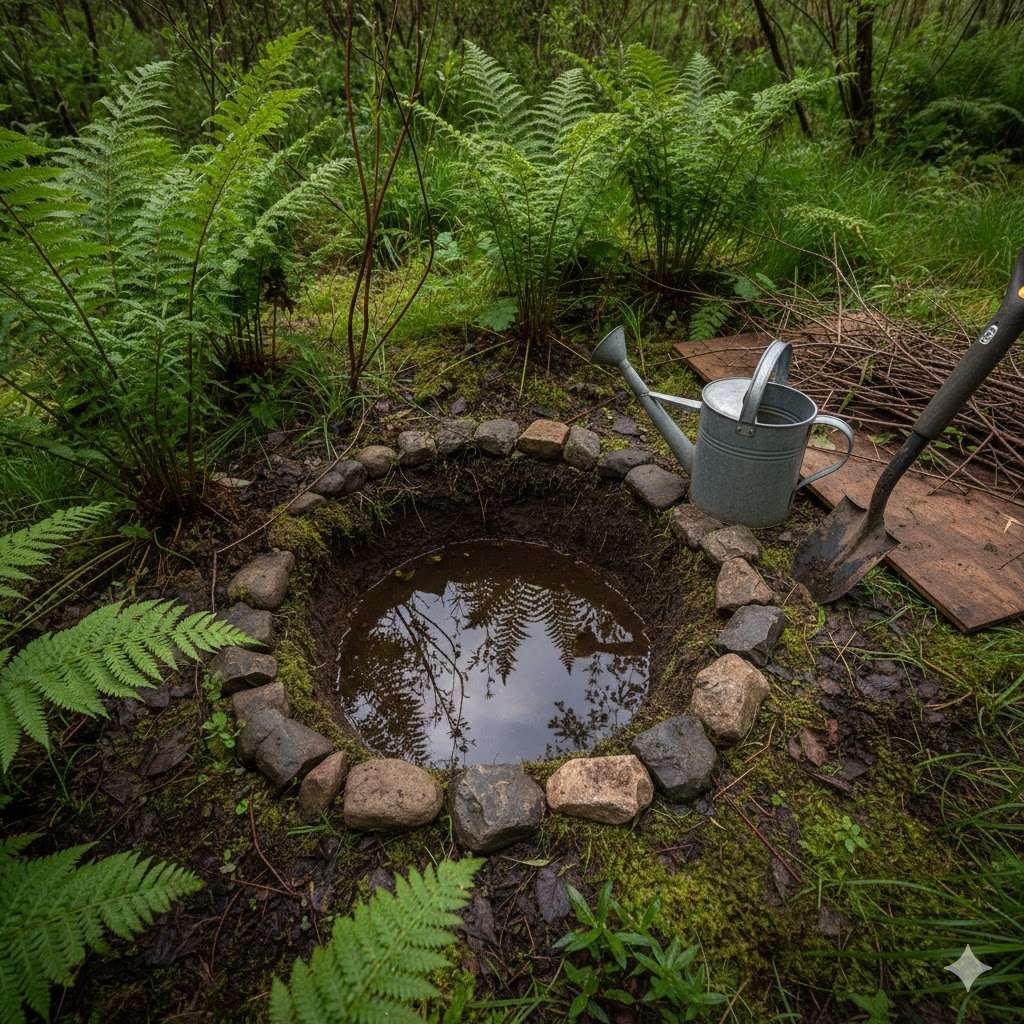
It sounds completely backward to wet the ground right before it freezes, but hydrology is your best thermal blanket in the backcountry.
- Latent Heat Retention: Dry soil drops temperature rapidly and lets freezing air penetrate deep into the root zone, freezing delicate feeder roots. Wet soil acts as a massive thermal battery.
- The Physics of Freezing Dirt: As moist soil slowly cools, it releases latent heat upward through the plant canopy throughout the coldest pre-dawn hours.
- Timing the Soak: Soak the root zone deeply between 1:00 PM and 3:00 PM the day before the drop. This gives the top layer time to absorb the day’s solar heat without turning the immediate surface into pooling slush.
2. Strengthen Cell Walls with Potassium and Kelp
A plant that is bloated on high nitrogen in late fall has soft, watery plant cells that rupture the instant ice crystals form inside the tissue.
- Potassium Silicate & Soluble Kelp: A light feed or foliar drench of potassium silicate paired with cold-water kelp meal four to five days before a cold snap thickens plant cell walls and increases the brix (sugar concentration) in the plant sap. both of which can help your plants withstand a like freeze.
- The “Antifreeze” Effect: Higher internal sugars and dense mineral reserves lower the actual freezing point of plant fluids, allowing foliage to endure 28°F to 30°F dips without internal cell collapse. I have had many gardens survive cold snaps pretty much unscathed.
3. Natural Thermal Covers: Skip the Blue Tarps
Plants can be covered to protect them from a possible frost, but one must make sure the covering is not laying right on the plants.
- Breathable, Earth-Toned Fabrics: Use burlap sacks, drab brown canvas, or lightweight agricultural frost cloth suspended slightly above the canopy.
- Tuck Under Pine Boughs: In a true backcountry pinch, cut low, dead conifer branches or leafy scrub and build a loose “lean-to” canopy over the plant tops. This traps rising soil heat and prevents falling frost crystals from settling directly onto the trichome heads, without creating a suspicious silhouette.
- Ventilate at Sunrise: Remove or lift heavy thermal covers as soon as the morning sun hits the patch. Trapped condensation inside an unventilated cover as the morning warms up is an open invitation for botrytis (bud rot).
4. Cold Frost vs. Hard Freeze: Know the Difference
You need to know what you are actually fighting before you risk an extraction.
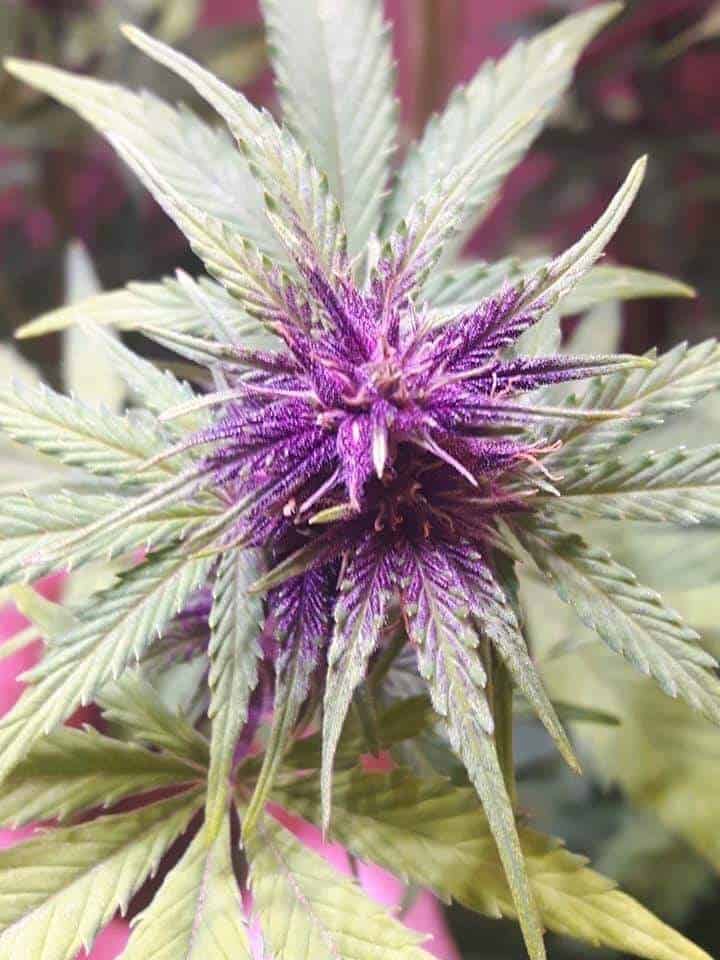
- Light Frost (30°F to 32°F for 2–3 hours): Mature, resinous outdoor plants—especially tough landrace genetics and outdoor-bred lines—can handle light frost with zero damage. In fact, cold nights often trigger intense purple anthocyanin production and stimulate resin density.
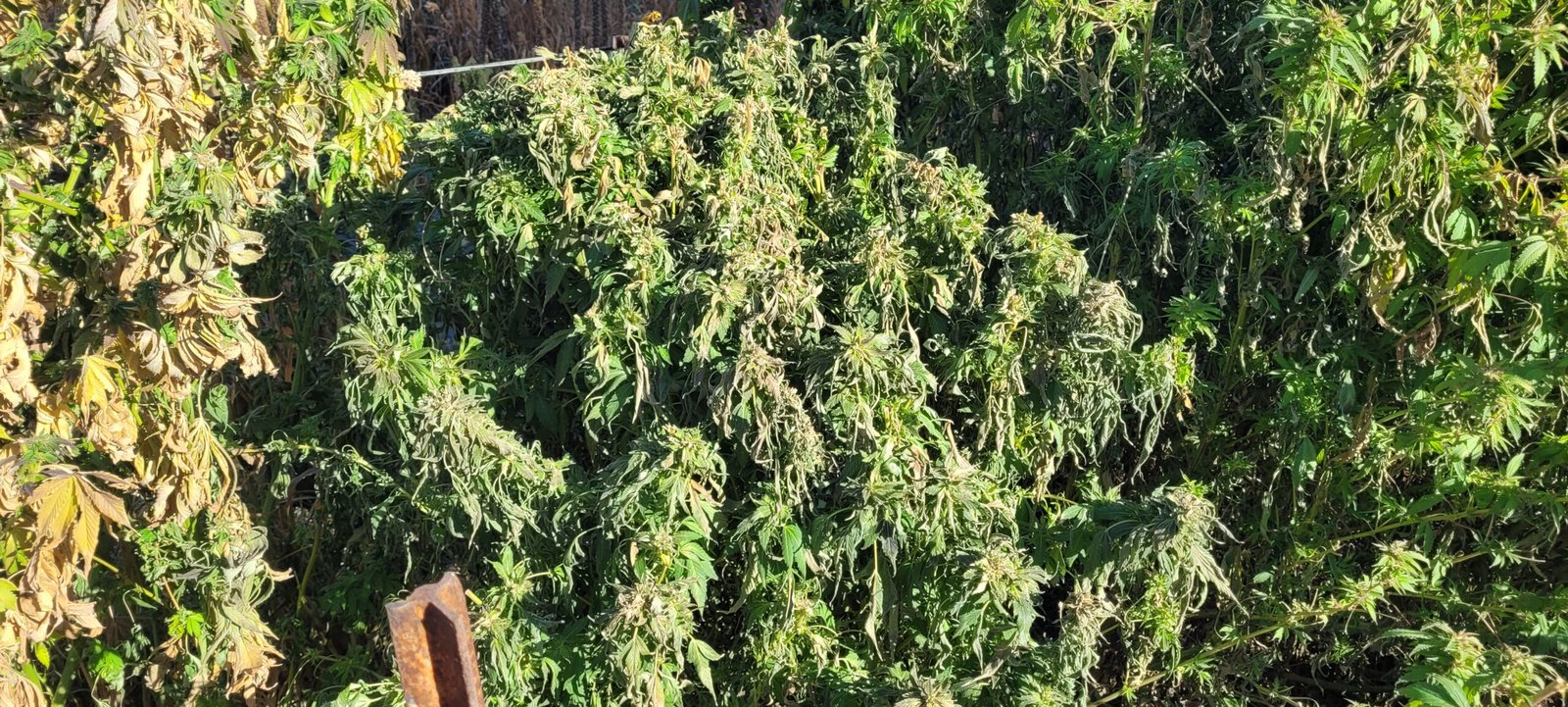
- Hard Freeze (Under 28°F for 4+ consecutive hours): This is where stalk tissue freezes solid, bursting vascular bundles. If the forecast shows prolonged sub-26°F temperatures and heavy snow with no warming trend in sight, that is your cue to harvest.
Protect the root zone, harden the cell walls, deflect the falling frost, and buy your plants the extra time they need to reach absolute peak potency.
5. Hope for Breezy Conditions to Prevent Frost Damage
Here in Washington state there are alot of orchards, and you will find in most of the big fans that can be turned on when frost is possible. The reason is moving air does not allow the frost to really settle in on the plants and damage them.
So, if on that night you find the forecast saying frost…if it is a breezy night your plants may not be harmed. If possible one can put a fan or two blowing on their plants to help prevent frost damage.
Never Miss a Field Note or Grow Update
Get direct heads-up emails whenever new grow guides, strain stories, and farm trials are posted.
Join the JCS Email List• Who is the Ghost? (My Reveal)
• Cannabis Growing Guide 2025-2026
• Real Customer Testimonials & Reviews
• Real Customer Harvest Photos
This article is provided for educational and informational purposes only. It is not intended as cultivation or grow advice, nor does it encourage any illegal activity. All cannabis seeds sold on JustCannabisSeed.com are novelty items, souvenirs, and collectibles only. Germination and cultivation of cannabis seeds may be illegal in your jurisdiction—you are solely responsible for complying with all local, state, and federal laws. We do not condone breaking any laws. For full details, please read our Disclaimer, Terms & Conditions, and Privacy Policy.