Blog
From Cessnas to AI: The Evolution of the ‘Eye in the Sky’
The Eye in the Sky is Evolving and Missing Nothing!
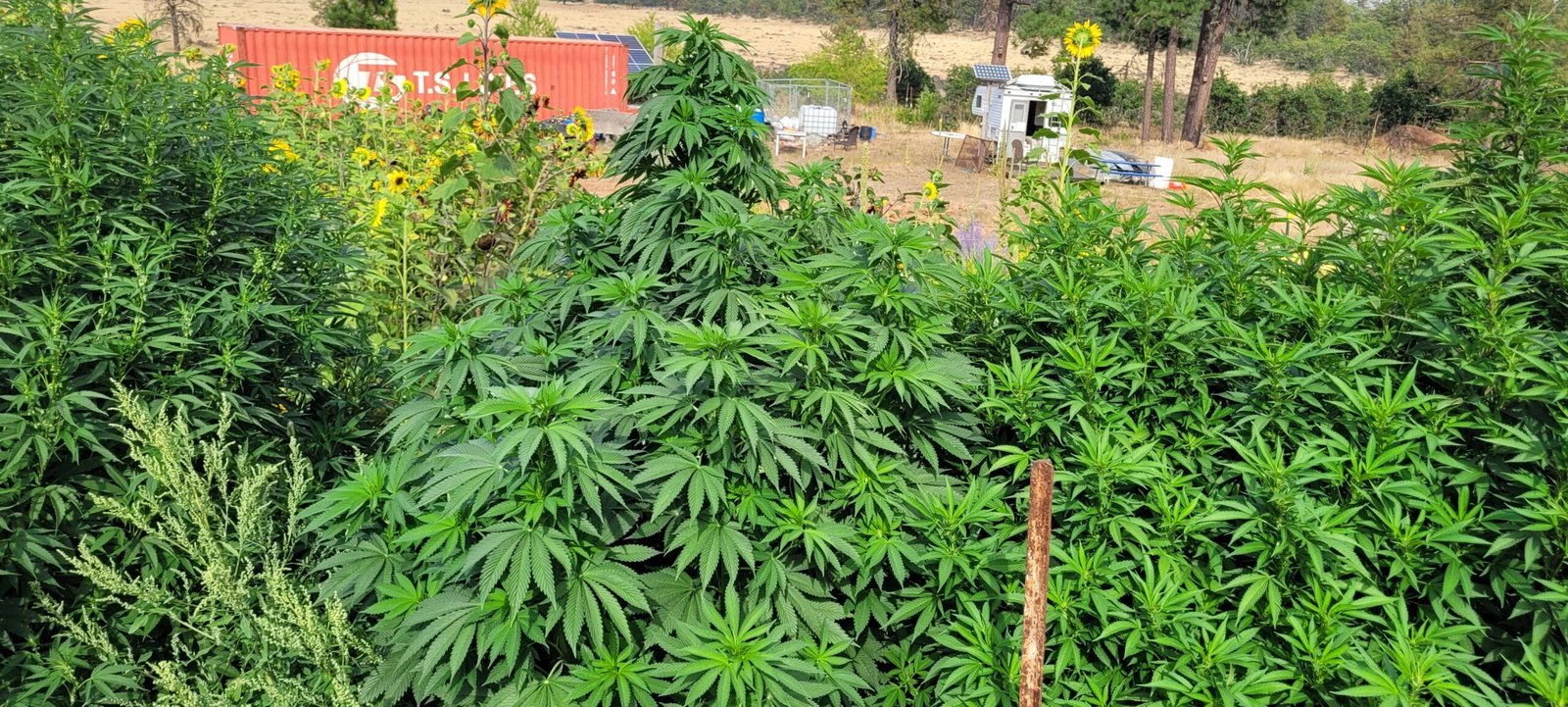
n my fifty years of secretly growing cannabis guerrilla as The Ghost , I have witnessed the many different versions of ‘the eye in the Sky’. To the uninitiated, the sky may seem harmless; to the veteran grower, it has always been a vantage point for the hunter. If you have plants under the sun they can generally be seen.
Any serious cultivator needs to understand the history of this surveillance, for the evolution of the ‘Eye in the Sky’ mirrors the broader technological escalation of the modern era. What began as a man with binoculars in a rented Cessna flying high to find just the big grows, has morphed into AI controlled drones that will miss nothing, if you have a cannabis plant out under the sun…it will be found….almost always.
The Ghost approved of this historical accounting, not as a lamentation for the “good old days” of guerrilla growing, but as a class in situational awareness. Understanding the tools of cannabis eradication is the first step in respecting the gravity of the current eradication efforts. We transitioned from the shadows not because we were forced, but because the technological advantage of the authorities became absolute. If you are still operating in the brush today, you are playing a game against an opponent that has distinct advantages.
Disclaimer: Always check local laws before growing cannabis, as legality varies by location. This guide is for educational and historical purposes for growers in legal jurisdictions. Stay ghostly but stay legal always! I do not condone the breaking of any laws at any time.
Table of Contents
- The Cessna Era: High-Altitude Omen
- The Thrum of the Huey: Military-Grade Eradication
- The Technological Pivot: FLIR and Infrared Optics
- 2026 and the Autonomous UAV: An Omniscient Predator
- The Imperative Shift to Legal Off-Grid Cultivation
- Final Thoughts from The Ghost
The Cessna Era: High-Altitude Omen
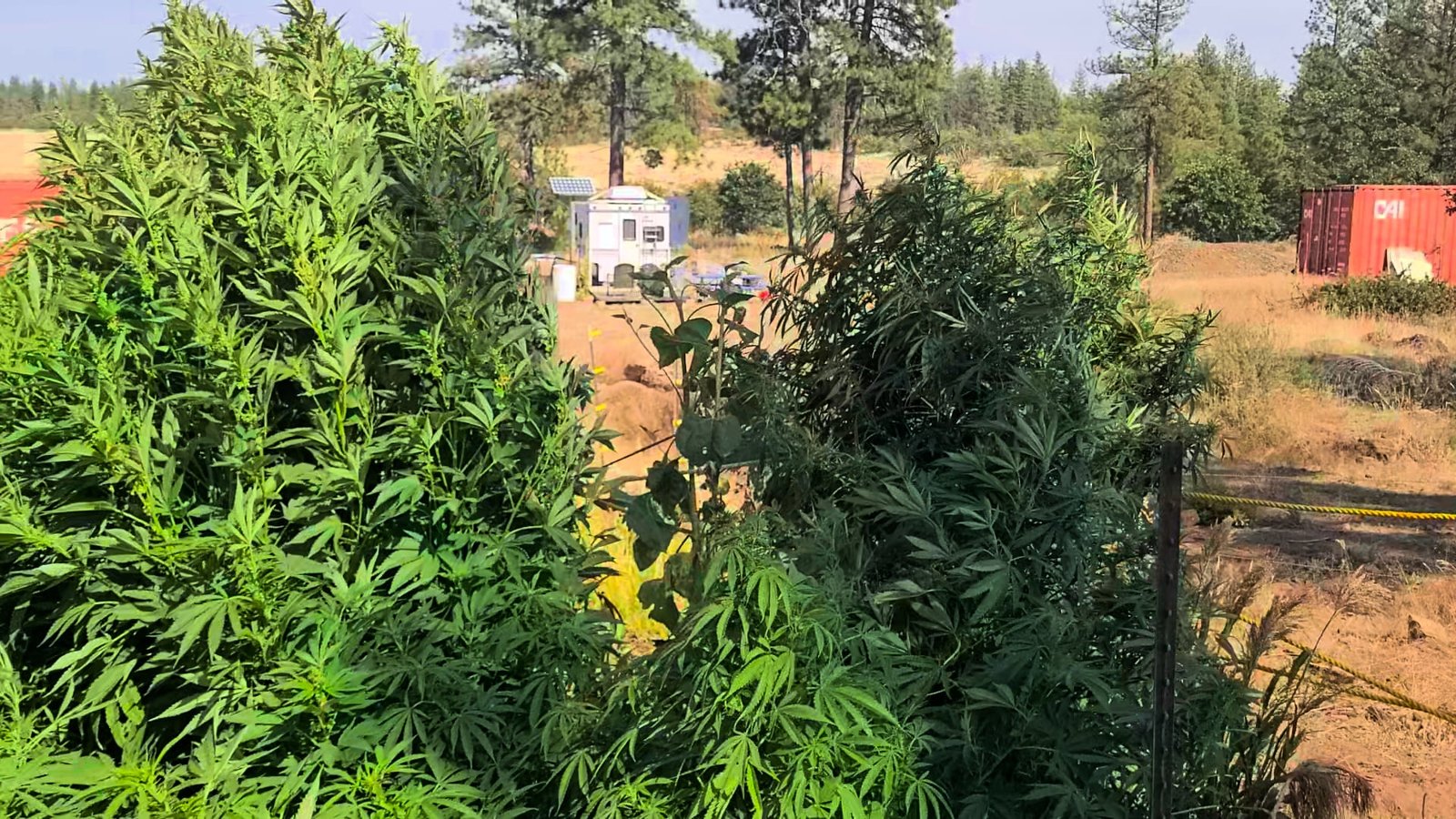
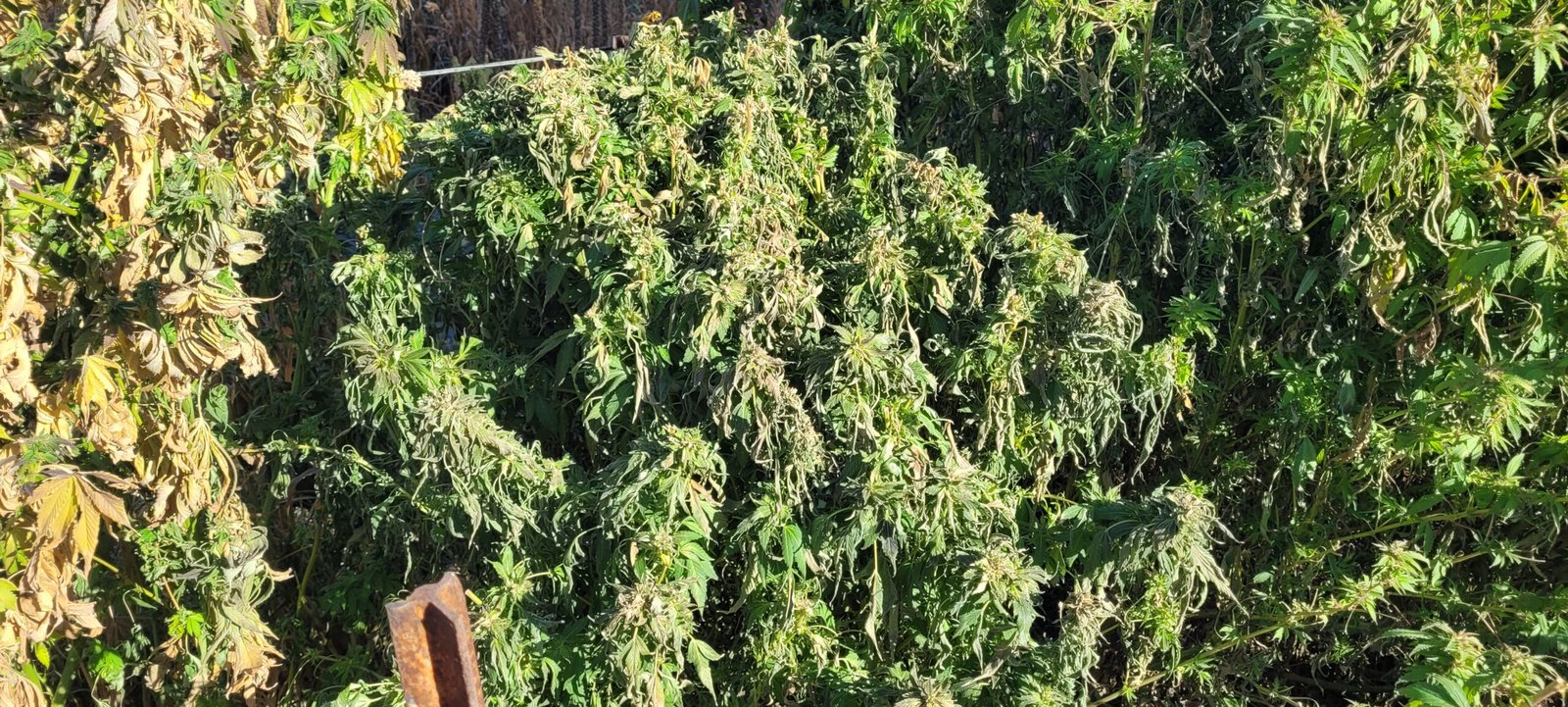
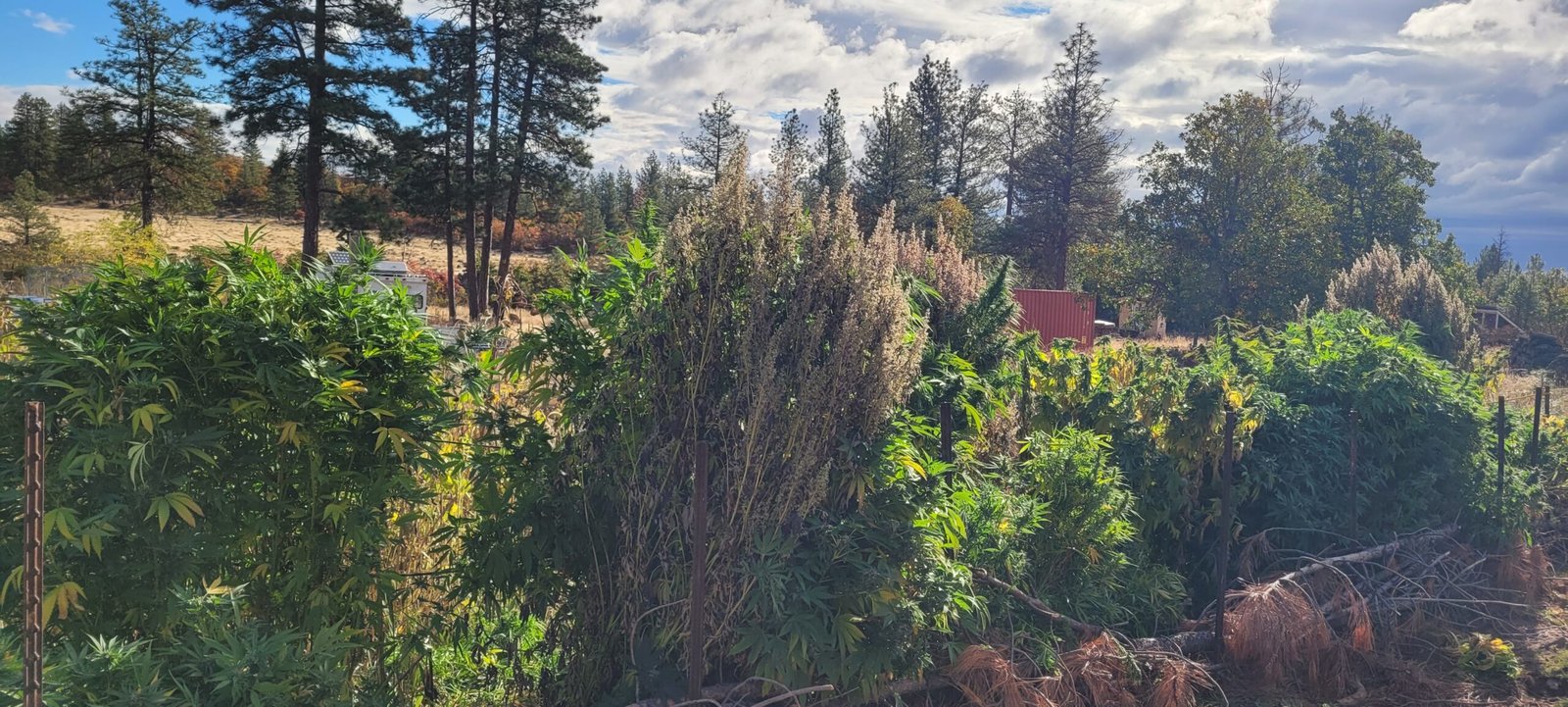
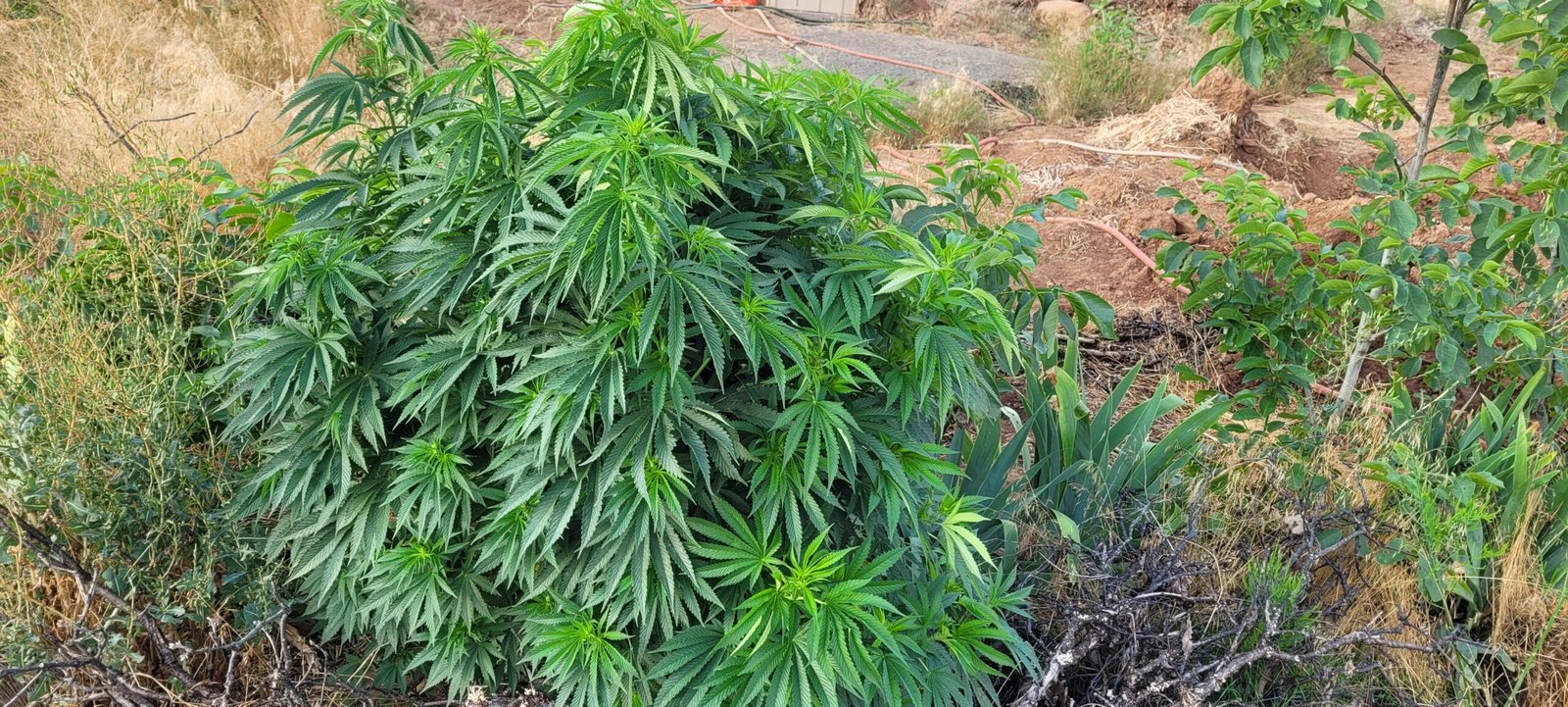
The early decades were defined by the Cessna. These were high-altitude, fixed-wing aircraft, often rented or requisitioned from local airfields. The pilots weren’t necessarily looking for individual plants; they were hunting for the “tell-tale green.” In the late summer, a well-fed patch of cannabis possesses a distinct, vibrant hue that clashes violently with the surrounding dormant brush. It was a visual chess match. If you were smart, you interplanted with indigenous flora or utilized overhead canopy to break up the geometric patterns that the human eye naturally seeks out.
And in those days there was one other ‘trick’ that worked well. And that was hanging some of those small brightly colored plastic fruit within your grow…that use to throw them off immediately.
During this era, a small operator like me could still be pretty layed back. Those in the airplanes would simply try to get accurate gps points for any grows they found, and they were pretty inept about it. They would give these gps points to guys on the ground, and they might find one grow, but miss another just a few hundred feet away. It was hit or miss for them.
The Thrum of the Huey: Military-Grade Eradication
Then came the heavy iron. The transition to the Bell UH-1 Iroquois—the “Huey”—changed the nature of the conflict entirely. These weren’t just observers; these were delivery vehicles for the boots on the ground. The thrum of those rotors was unmistakable, a low-frequency vibration that you felt in your chest long before you heard it with your ears. When the Huey arrived, the ‘Eye in the Sky’ gained teeth. They could hover at low altitudes, the downwash from the blades parting the canopy to reveal the clandestine treasures hidden beneath. And, they would literally repel out of these choppers right into the grow.
The Ghost Tip: When the heavy rotors are overhead, the “sharp right-angle turn” into dense brush is your only salvation. Trails are very visible from the air. Authorities look for the straight lines of a man-made trail. A 90-degree break into a thicket, especially one guarded by thorny locust or dense pine, can disrupt the visual pursuit long enough for the ‘Eye in the Sky’ to lose its lock.
The psychological impact of the Huey cannot be overstated. It represented the militarization of cannabis oversight. No longer were we dodging a lone spotter; we were evading a coordinated task force. The presence of these machines made the act of guerrilla growing a high-stakes tactical exercise. If you saw the rotors dipping low over your drainage, it was time to vanish. Additionally, staying informed via our Grower’s Blog is essential for keeping up with these evolving threats. Just search for guerrilla growing, or The Ghost, as I have written many articles on the subject.
The one good thing about the Huey’s is they were loud as hell, you could hear them long before you would see them, or they could see you.
The Technological Pivot: FLIR and Infrared Optics
As we moved into the late 90s and early 2000s, the visual spectrum became secondary. The introduction of FLIR (Forward Looking Infrared) was a precarious development for the grower. Cannabis plants, due to their high water content and rapid transpiration, often display a different heat signature than the surrounding plants. While it was never a perfect science for spotting a single plant, it was devastating for finding greenhouses or indoor operations with poor thermal shielding. The ‘Eye in the Sky’ was no longer limited by the light of the sun.
For guerilla growers, this meant that site selection became a matter of thermal camouflage. It was no longer enough to hide from a man in a plane; you had to hide from a sensor that saw heat as color. The era of thermal surveillance led to a massive shift toward indoor grows, which in turn led to even more sophisticated detection methods. Every time the grower found a way to mask their signature, the authorities upgraded their optics, making the traditional hidden garden an increasingly difficult.
2026 and the Autonomous UAV: An Omniscient Predator
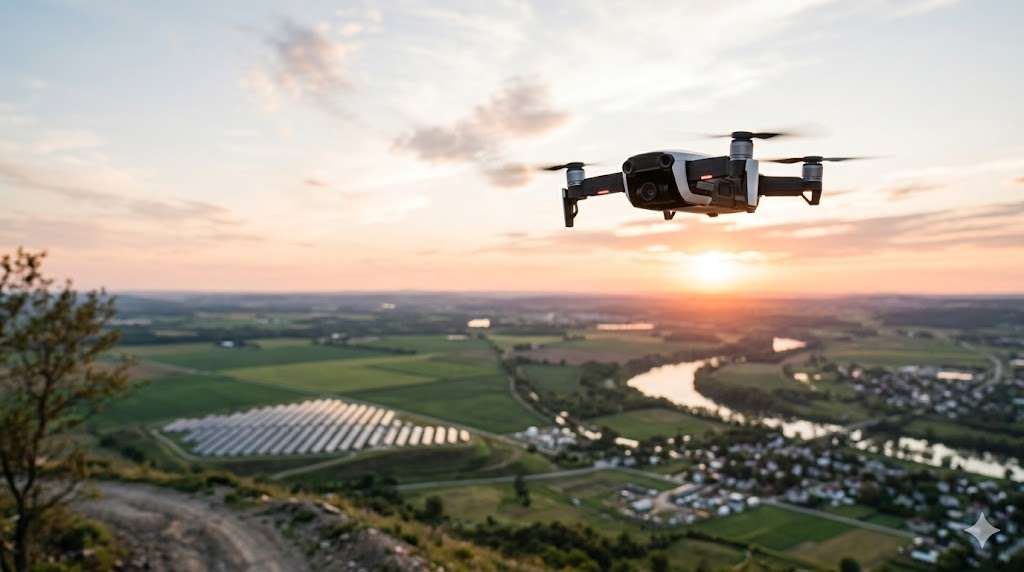
Fast forward to today. In 2026, the ‘Eye in the Sky’ has achieved its final form: the autonomous UAV (Unmanned Aerial Vehicle). These drones are silent, powered by AI that can perform real-time pattern recognition. They don’t need a pilot to spot a plant; they have been trained on millions of images to identify the specific serration of a cannabis leaf from a mile up. They can loiter for hours, creating a persistent surveillance grid that is virtually impossible to penetrate. The era of the human spotter is dead; the era of the algorithm has begun.
These modern drones are often equipped with multispectral cameras that analyze the chemical signature of the vegetation. The level of detail available to law enforcement today is unprecedented. To attempt a guerrilla grow in this environment is, frankly, an exercise in futility. The AI doesn’t get bored, it doesn’t miss the corners of the field, and it doesn’t care how well you’ve camouflaged your trail. It is an omniscient predator that has fundamentally ended the age of the Ghost in the brush.
There are really only a couple ways I know to still grow without detection…one is plants under a tree on the south shore of a body of water. They do not usually fly out over the water and look back to the shore. And, there are certain trees that look alot like cannabis when they are small…the epitome of this kind of grow is an area that burned a few years ago, and small trees are just getting to 10 feet tall or so. Cannabis planted in and among these little trees can go undetected.
Additional Pro Tip….with the advent of auto-flowers you can now grow them and avoid detection. How? Well the eye in the sky will only start looking in the fall….usually start in September. They do this because photo type of cannabis plants are big by then, and much easier to see. So if one plants autos out in the spring, and harvests them in the dog days of summer, this will likley be before any eradication efforts are even initiated.
The Imperative Shift to Legal Off-Grid Cultivation
This technological reality is precisely why I transitioned to Stony Oasis Farms. It became imperative to move from the shadows into the light. My 50 years of experience are now dedicated to legal, licensed breeding, where the only ‘Eye in the Sky’ I worry about is the one supplying my solar array’s power. We use the same high-tech tools—like our 10KW off-grid systems—to empower our growth rather than hide it. The evolution of surveillance has forced us to evolve and simply not even try guerilla growing any longer. The ‘eye in the sky’ has won….
For the modern grower, the lesson is clear: you cannot outrun the algorithm in the woods. Your energy is better spent mastering the art of the craft on your own legal terms. Whether you are building a wildlife guzzler or preparing for a summer seed run, the goal is transparency and excellence. The Ghost has retired from the brush, but he is not done. I am now on the right side of the ‘law’…grow only the 15 plants I am allowed, and run a a completely above board seed bank, pay my taxes, and follow all laws. And, truthfully it is a relief!
Final Thoughts from The Ghost
Have you ever had a close encounter with a low-flying “Eye in the Sky,” or have you seen the new autonomous patrols in your neck of the woods?
It’s a different world out there than it was in ’76. Come share your stories and your tactical questions over at the JCS Growers Community forum. Let’s talk shop where the drones can’t hear us.
Never Miss a Field Note or Grow Update
Get direct heads-up emails whenever new grow guides, strain stories, and farm trials are posted.
Join the JCS Email List• Who is the Ghost? (My Reveal)
• Cannabis Growing Guide 2025-2026
• Real Customer Testimonials & Reviews
• Real Customer Harvest Photos
This article is provided for educational and informational purposes only. It is not intended as cultivation or grow advice, nor does it encourage any illegal activity. All cannabis seeds sold on JustCannabisSeed.com are novelty items, souvenirs, and collectibles only. Germination and cultivation of cannabis seeds may be illegal in your jurisdiction—you are solely responsible for complying with all local, state, and federal laws. We do not condone breaking any laws. For full details, please read our Disclaimer, Terms & Conditions, and Privacy Policy.