Blog
How to Tell When Wild Cannabis is Ready to Harvest-The Ghost
Field Notes from Jerry
Jerry here. If you’ve been following my “Ghost” stories, you know I’ve spent a fair share of my 50 years in the garden trekking through the brush, hunting for those elusive patches of “ditch weed” or long-forgotten guerrilla grows. There is something primal and exciting about finding a plant that has survived the elements all on its own.
These tips work for wild hemp, and any cannabis plants for that matter.
But here is the million-dollar question: how do you know when wild cannabis ready to harvest actually is? It isn’t like your indoor tent where you can just check a calendar or a breeder’s pack. In the wild, the plants answer to the sun, the frost, and the local deer population, and they don’t give you a “heads up” before they drop their seeds.
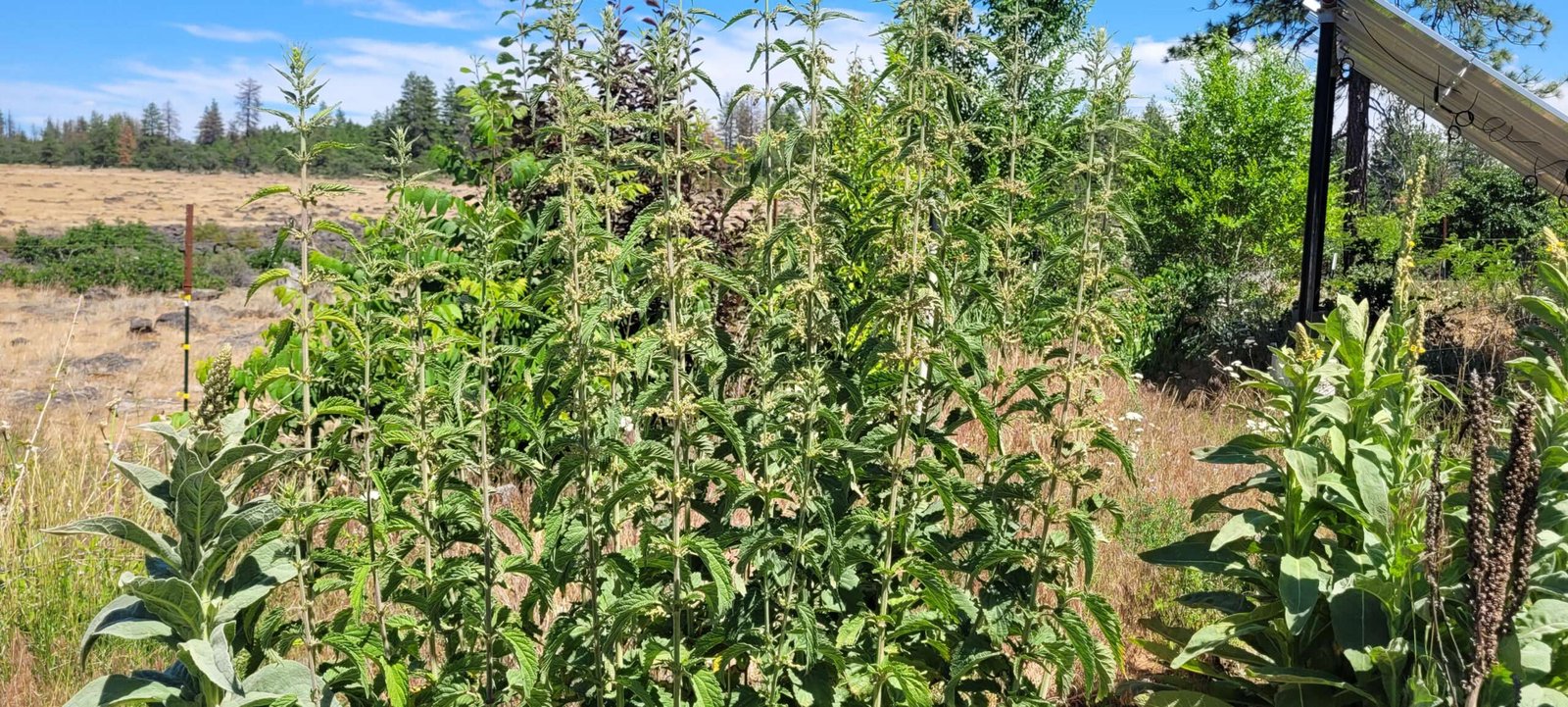
Wild feral hemp does not grow in Washington state where I am located, but plants from dropped seed from grows sites can and do get going. I have however driven back into the Midwestern USA to actually find feral hemp stands successfully.
Some of these plants, although basically devoid of THC, are impressive. Cannabis is a survivor.
During my decade-long stint as a serious guerrilla grower, I traveled far and wide and learned that the harvest window for wild plants can be a moving target. Harvesting wild cannabis requires close observation, and timing. Today, I’m sharing the signs I look for to ensure I’m pulling the highest quality possible from wild hemp, which can make great medicine, and is free to harvest.
Here is what Google says about wild hemp…or ditch weed...
“Contains Beneficial Compounds: Feral hemp produces cannabinoids, including CBD (cannabidiol), which is known for treating epilepsy, chronic pain, anxiety, and inflammation.
Historical/Traditional Use: Historically, wild hemp was used in traditional medicine for pain relief (headaches, joint pain) and as a digestive aid.
High in Nutrients: The seeds are rich in proteins, healthy fatty acids (omega-3 and omega-6), and antioxidants”
Disclaimer: Always check local laws before growing or harvesting cannabis, as legality varies significantly by location. Harvesting feral or wild cannabis (hemp) on public or private land without permission can carry legal risks. Stay safe and stay legal!
Table of Contents
- The “Red Hair” Test: Watching the Pistils
- Trichome Science: The Only Real Way to Know
- The Autumn Fade: Foliage and Fan Leaf Signs
- Environmental Clues: Using the First Frost
- Wild vs. Cultivated: Why the Window is Different
- Common Wild Harvest Mistakes to Avoid
- Final Thoughts from The Ghost
The “Red Hair” Test: Watching the Pistils

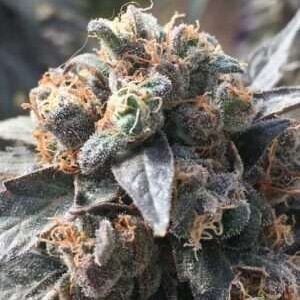
When you are checking if wild cannabis ready to harvest, the most obvious sign is the color of the pistils—those tiny hairs sticking out of the buds. In the early stages of flowering, these hairs are a bright, snowy white.
As the plant matures and the resin production peaks, these hairs begin to curl inward and change color to a reddish-brown, orange, or even dark purple. I generally wait until at least 60% to 70% of those hairs have changed color, or withered.
If they are still mostly white and standing straight up, the plant is still putting its energy into growing, not ripening.
Sometimes a heavy rain or a cold snap can cause the hairs to turn brown prematurely, even if the bud isn’t actually ripe. This is why you can’t rely on the hairs alone.
However, it’s a great “first glance” indicator when you are scouting a patch. If you see those hairs starting to darken, it’s time to start visiting more frequently.
Additionally, keep an eye on the “plumpness” of the calyx (the little pods the hairs grow out of). When cannabis is ready for picking, those pods should look swollen and fat, like they are holding a secret. In a wild plant, they are holding a secret…the seed…cannabis is wind pollinated and the pollen can travel miles. Nature usually finds a way to propagate.
Trichome Science: The Only Real Way to Know
While the hairs give you a hint, the trichomes tell you the truth. These are the tiny “crystals” or resin glands that cover the buds. To really know if wild cannabis ready to harvest, you need a small handheld loupe or a magnifying glass. I never head out into the woods without one tucked in my pocket.
You are looking for three distinct stages: Clear, Cloudy, and Amber. Clear means it’s too early; Cloudy (Milky) means peak THC; and Amber means the THC is starting to degrade into CBN, which gives a more “stoney,” sedative effect. For wild plants, I usually aim for a 50/50 mix of cloudy and amber.
I’ve found that wild plants often have smaller trichomes than the “boutique” strains we grow at home. You have to look closely!
I remember one patch of “ditch weed” in the Midwest that didn’t look like much, but under the loupe, it was a forest of amber. Checking cannabis ripeness this way may take time, but it’s the difference between great medicine and not quite as good medicine. Additionally, if you see the trichome heads starting to fall off or look “withered,” you’ve waited too long. Nature is fast, timing is everything!
The Autumn Fade: Foliage and Fan Leaf Signs
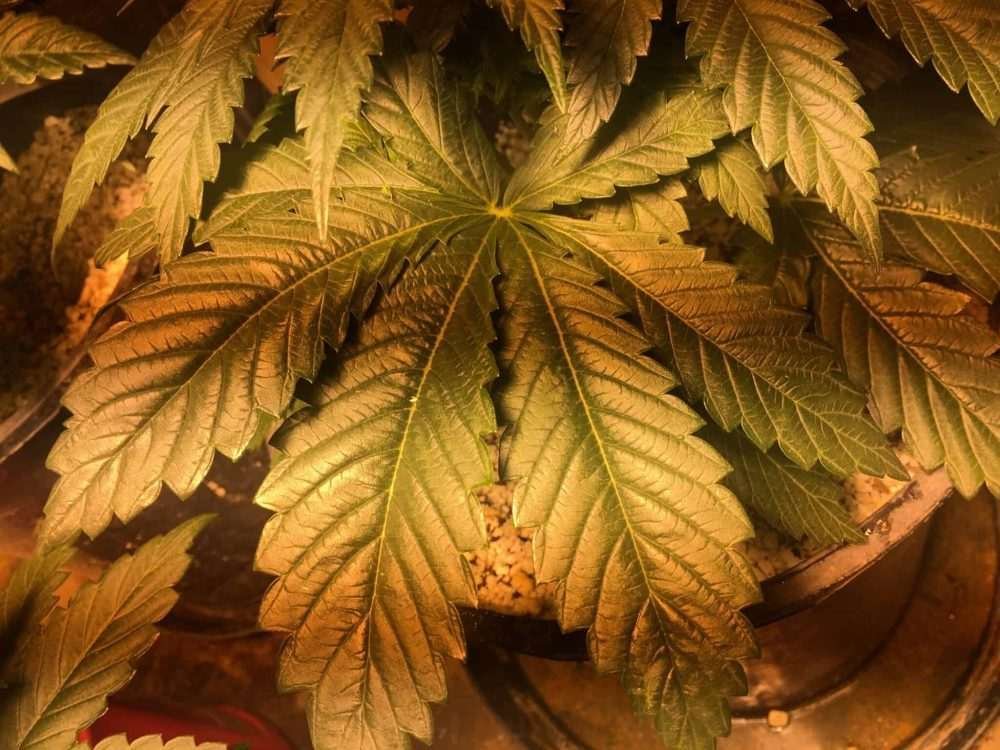
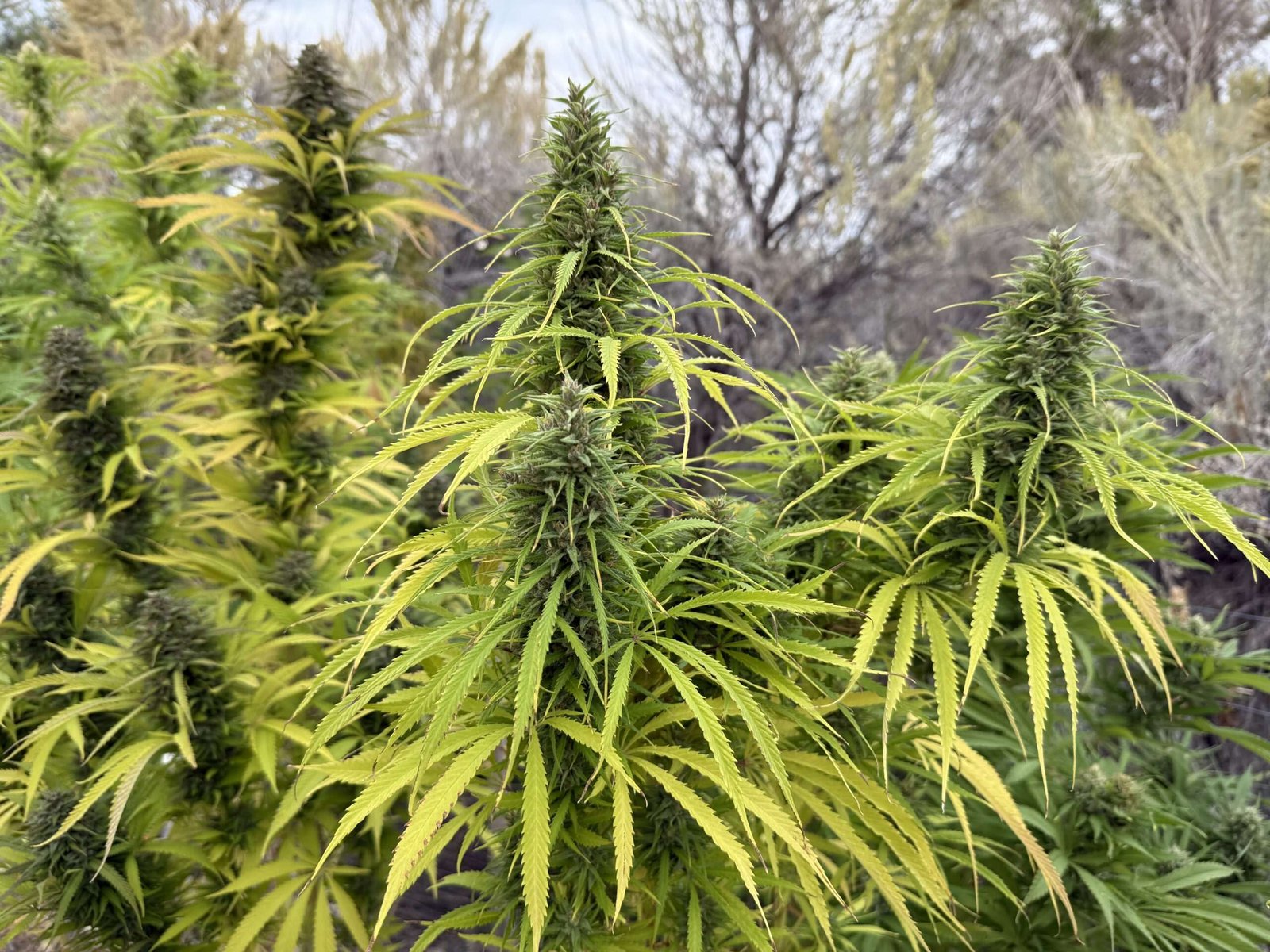
As a cannabis plant reaches the end of its life, it stops producing chlorophyll and starts moving all its remaining nutrients into the flowers. This results in the “autumn fade”—the fan leaves will start to turn yellow, purple, or even vibrant red.
When you are harvesting wild cannabis, this fade is a huge visual cue. If the plant is still a deep, lush green, it’s likely still in the middle of its flowering cycle. But when those large bottom leaves start to yellow and drop off, the plant is telling you it’s almost finished. It is literally dying so its seeds (or your buds) can live on.
I’ve learned that this fade is often more dramatic in wild plants because they aren’t being “spoon-fed” nutrients by a grower. They have to rely on what’s in the soil.
However, don’t confuse a nutrient deficiency with the natural harvest fade! A deficiency usually looks “sickly” and splotchy, while the harvest fade looks like a natural sunset of the plants life cycle.
If you’ve been practicing sustainable cannabis gardening, you’ll recognize this shift as the plant’s way of “flushing” itself. Additionally, when the smaller “sugar leaves” tucked into the buds start to show some color change at the tips, you are in the prime harvest window.
Environmental Clues: Using the First Frost
In many regions, the harvest date for wild cannabis is dictated by the weather. A light frost can actually be a good thing—it often triggers a final “burst” of resin production as the plant panics and tries to protect itself from the cold. And often plants are located in a warmer micro-climate and can take frosts without too much damage.
But a hard freeze (below 28°F) will kill the plant and cause the cells to burst, which can lead to mold and rot very quickly. To determine if wild cannabis ready to harvest, you need to keep an eye on the weather. I’ve spent many nights checking the “lows” and decided to chop the next day because I knew a freeze was coming.
If you’re in a northern climate, the “Equinox” in late September is usually your warning shot. From my experience, most wild-type Sativas will try to go as long as they can, while Indica-leaning feral plants will finish up sooner.
I’ve seen wild hemp harvest seasons go all the way into November in warmer states, but in the Midwest, you’re usually done by mid-October.
Additionally, if the weather turns “wet and cold,” you are better off harvesting a week early than losing the whole patch to bud rot. Sometimes it is just better to go ahead and take it. I have had to chop 10 ft plants and drop them right there because of bud rot.
Wild vs. Cultivated: Why the Window is Different
It is important to remember that wild cannabis doesn’t behave like the feminized seeds you might buy for your indoor tent. Wild plants have a mix of male and female plants in the same patch. This means your wild cannabis ready to harvest will almost certainly contain seeds.
When a plant is focused on making seeds, it tends to mature it’s trchomes, creating that familiar smell, which is one of the ways the plant wards off animals that may devour it.
Wild plants also have a “wild” terpene profile that can be very spicy, earthy, or even carrot-like. Identifying wild cannabis maturity is about appreciating the plant for what it is—a survivor.
Additionally, if you’re lucky enough to find a truly wild Landrace, you might want to save some of those seeds for your own in-house genetics projects!
Common Wild Harvest Mistakes to Avoid
The most common mistake people make is harvesting too early. Patience is key, give the plant the time it needs if possible.
Another mistake is ignoring the smell. As wild cannabis ready to harvest approaches, the scent will change from “green and grassy” to “pungent and complex.” If it doesn’t smell like anything yet, it isn’t ready. Use your nose—it’s one of your best tools!
Here are a few other pitfalls to watch for:
- Harvesting after a rain: If you chop while the buds are soaked, you are almost guaranteed to get mold during the drying process. Wait for a dry day!
- Not checking for mold: Wild plants don’t have fans for airflow. Check deep inside the densest buds for “gray fuzz” before you harvest.
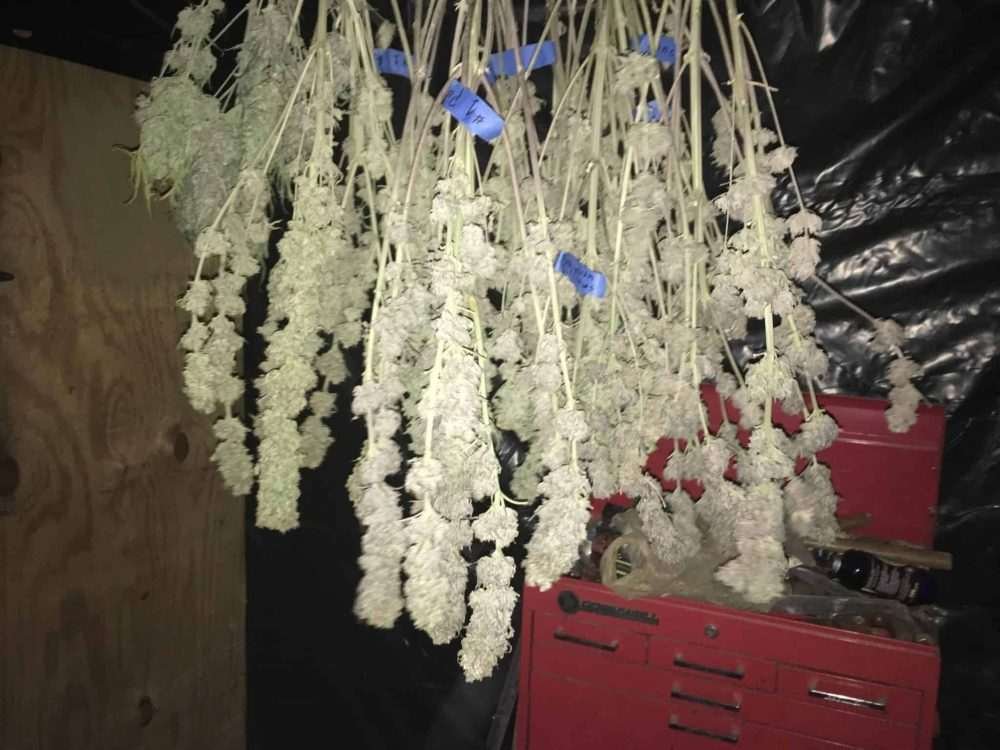
- Improper drying: You can’t just throw wild buds in a paper bag. They need airflow and a cool, dark place to cure, just like your indoor herb.
- Telling people: If you find a wild patch, keep it a secret. Loose Lips Sink Ships…
- Neglecting the law: I can’t say it enough—know your local laws. Getting busted over a bag of seedy ditch weed just isn’t worth it.
Sadly if you want to grow high THC cannabis guerrilla in areas where wild hemp grows your plants will likley be seeded. These plants will still make great concentrates though, and the seeds are highly nutritious. So still worth while in my book.
Final Thoughts from The Ghost
Finding wild cannabis ready to harvest can be like finding a hidden treasure.
It’s a connection to the history of this plant before it was hybridized and moved into high-tech grow rooms. By watching the hairs, checking the trichomes, and paying attention to the autumn fade, you can ensure that your wild find makes the best medicine possible. Stay smart, stay invisible (be like the Ghost), and always respect the land, and the plant.
Have any of you ever stumbled onto a wild patch of cannabis? Did you harvest it? I have only traveled that countryand I’d love to hear your “found in the wild” stories.—leave a comment below!
If you’re looking for more tips on how to handle your harvest, check out our guides on making cannabis coconut oil or how to store your seeds for next year. Let’s keep the “Ghost” tradition alive and keep our eyes on the horizon.
Happy hunting, everyone, and stay ghostly!
• Who is the Ghost? (My Reveal)
• Cannabis Growing Guide 2025-2026
• Real Customer Testimonials & Reviews
• Real Customer Harvest Photos
This article is provided for educational and informational purposes only. It is not intended as cultivation or grow advice, nor does it encourage any illegal activity. All cannabis seeds sold on JustCannabisSeed.com are novelty items, souvenirs, and collectibles only. Germination and cultivation of cannabis seeds may be illegal in your jurisdiction—you are solely responsible for complying with all local, state, and federal laws. We do not condone breaking any laws. For full details, please read our Disclaimer, Terms & Conditions, and Privacy Policy.