Blog
Harvest to Home: Turning Your Buds into Premium Cannabutter
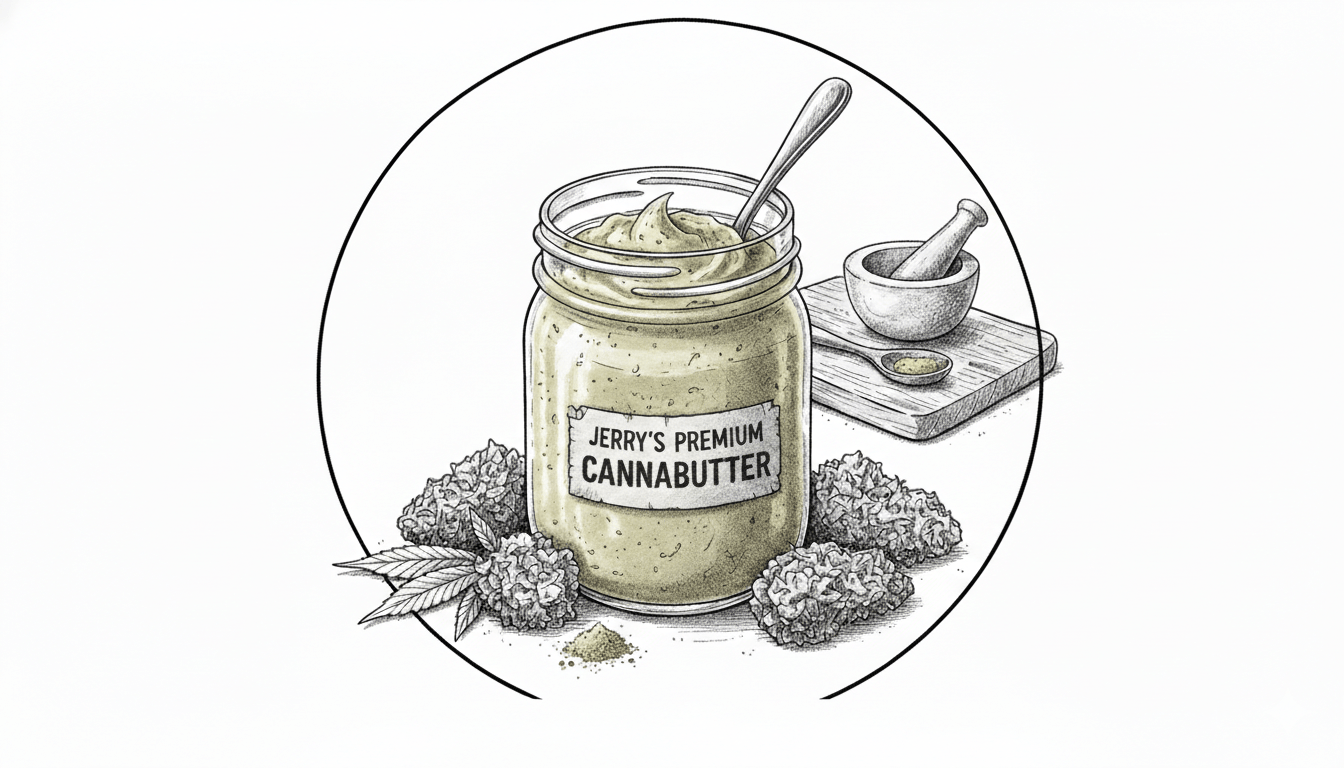
Mastering the THC-Infused Butter Technique: Pro Tips for Potent Edibles
Have you ever wanted to whip up your own cannabutter right at home, turning those buds from your latest harvest into something truly magical for edibles? It’s a game-changer for anyone passionate about cannabis growing, and enjoying cannabis edibles. Whether you’re a beginner dipping your toes into homemade weed butter or a seasoned pro refining your THC-infused butter technique, this guide has you covered. I’ll share my personal stories, expert tips, and step-by-step instructions to help you create potent cannabis-infused butter that’s perfect for all your recipes.
Table of Contents
- Why Make Your Own Cannabutter?
- Ingredients Needed for Perfect Cannabutter
- The Importance of Decarboxylation
- How to Make Cannabutter: The Five Easy Steps
- Calculating Potency and Dosing Tips
- Best Strains for Making Cannabutter
- Variations and Alternatives to Traditional Cannabutter
- Troubleshooting Common Mistakes
- Frequently Asked Questions About Cannabutter
- Final Thoughts on Mastering Cannabutter
Why Make Your Own Cannabutter?
From my experience growing cannabis, nothing beats the satisfaction of using your homegrown buds to make cannabutter.
It’s not just about saving money—though that’s a big perk (I love doing things on the cheap)—it’s about controlling every aspect, from potency to flavor. Store-bought edibles can be hit or miss (usually weak), but when you craft your own marijuana butter, you know exactly what’s in it. Plus, it’s a fantastic way to use up trim or lower-quality buds from your harvest. I’ve turned what could’ve been waste into delicious THC butter that lasts for months, and can make any meal a sleepy treat.
Additionally, making cannabutter ties directly into cannabis growing education. It encourages you to think about strain selection early on, like choosing indicas for relaxing edibles.
If you’re new to this, start with our beginner cannabis seeds guide to grow buds perfect for infusion. However, always check local laws before growing cannabis, as legality varies by location.
Beyond that, homemade cannabutter opens up endless culinary possibilities. I’ve experimented with everything from simple toast spreads to complex desserts, and each time, it’s rewarding to share with friends who appreciate the craft. If you’re aiming for bigger yields to fuel more batches, check out our guide on growing a 10 lb cannabis plant. When it comes to growing cannabis bigger is usually better.
Ingredients Needed for Perfect Cannabutter
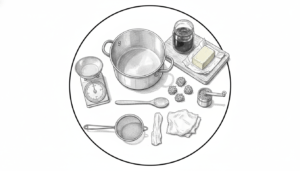
Getting the right ingredients is crucial for top-notch cannabutter. Start with high-quality cannabis flower—about 7-14 grams per pound of butter, depending on your desired strength. Fresh, well-cured buds from your own grow make all the difference in flavor and potency. If you’re sourcing seeds, our ultimate guide to cannabis seeds can help you pick the best for edibles.
Next, grab unsalted butter—1 pound (4 sticks) works great for a standard batch. Why unsalted? It lets the natural cannabis flavors shine without extra salt overpowering your recipes. You’ll also need 2-4 cups of water to prevent scorching during infusion. Optional tools include a grinder for even breakdown, cheesecloth for straining, and a thermometer to monitor heat.
I’ve found that using organic butter elevates the end product. If you’re growing indoors, pair this with tips from our indoor cannabis growing guide. Remember, always prioritize safety—wear gloves when handling hot mixtures. This simple setup ensures your weed butter turns out smooth and effective every time.
The Importance of Decarboxylation
Decarboxylation is the secret step that activates THC in your cannabis, turning THCA into the psychoactive compound you want in edibles. Without it, your cannabutter might fall flat. From my own grows, I remember skipping this once in a rush—result? Weak butter that barely had an effect. Now, I always decarb first for consistent results.
To do it right, preheat your oven to 240°F (115°C). Grind your cannabis coarsely and spread it on a parchment-lined baking sheet. Bake for 30-40 minutes, stirring halfway, until it’s golden-brown and fragrant. This process mimics what happens in nature over time but speeds it up for your fresh buds.
Decarboxylation maximizes potency and ensures even infusion. For current trends in 2026, experts emphasize precise decarb times to preserve terpenes.
How to Make Cannabutter: The Five Easy Steps
Now, let’s get to the heart of it—making cannabutter in five easy steps. I’ve refined this method through trial and error over several years, and it’s foolproof for beginners and experts alike. Start with your decarbed cannabis, and you’ll be set for potent results.
Step 1: Melt the Butter
In a saucepan, combine the butter and water over medium heat. Once melted, add your decarbed cannabis. This base prevents burning and aids extraction. From experience, keeping the heat low here is key to avoiding bitter flavors.
Step 2: Simmer Gently
Reduce to low heat (160-200°F) and simmer for 2-3 hours, stirring occasionally. Add water if needed. I’ve found this timeframe ideal for full infusion without degrading THC.
Step 3: Strain the Mixture
Pour through cheesecloth into a bowl, squeezing gently to extract all the butter. This removes plant material for smooth THC-infused butter. Pro tip: Do this while hot for easier flow, but use gloves.
Step 4: Chill and Separate
Refrigerate overnight. The butter solidifies on top; discard the water. Pat dry. This step ensures pure cannabis-infused butter ready for use.
Step 5: Store Properly
Keep in an airtight container in the fridge or freezer. Label with potency notes/date. From my grows, proper storage keeps it fresh for months, perfect for for use in all your recipies.
These steps have transformed my edibles. Always consume responsibly.
Calculating Potency and Dosing Tips
Figuring out potency is essential for safe, enjoyable edibles. Start by knowing your strain’s THC percentage—say 20%. For 10 grams, that’s 2000mg THC, with about 80% extraction efficiency after decarb, yielding around 1600mg in your batch. Divide by servings for dosing.
From my experiences, I always start low—5-10mg per serving for beginners (over dosing is not pleasant). Use online calculators for precision. In 2026, trends focus on micro-dosing for wellness.
Track effects over 1-2 hours. Adjust based on tolerance. This knowledge ties back to choosing strains in our cannabis growing guide. Edibles hit differently than smoking, and will def get you there.
Best Strains for Making Cannabutter
Choosing the right strains elevates your cannabutter. Indicas like Granddaddy Purple offer relaxing effects, perfect for evening edibles. I made some of this butter last year, after growing this strain up on my property, and they’ve infused beautifully without overpowering flavors. For balance, try hybrids like Sugar Haze.
High-THC options like Gorilla Glue shine for potent batches. If breeding your own, explore our regular seeds guide. In 2026, flavorful terpene-rich strains are trending.
Grow these with tips from our growing guides category.
Variations and Alternatives to Traditional Cannabutter
Traditional cannabutter is great, but variations keep things fresh. Try vegan coconut oil for a dairy-free twist—same process, solid at room temp. I’ve used it in many recipes with fantastic results.
Slow cooker method: Low for 4-6 hours, hands-off. For stronger butter, use less fat. Tie these to our THC vs CBD guide for effect-focused infusions.
Experiment safely—start small. These options will expand your cannabis growing education into the kitchen, and that pairs beautifully. I find edibles have a longer lasting medical effect than smoking the herb. I like them in the evening before bed for a long sleepy nite.
Troubleshooting Common Mistakes
Common issues? Too weak butter often means incomplete decarb or low heat. Bitter taste? Overheated or fine grind. I’ve fixed separated mixtures by adding more water next time.
- Weak potency: Extend simmer time.
- Intense green color: Strain thoroughly.
- Burning smell: Monitor temperature closely.
From lessons learned, patience prevents most problems. Refer to our blog for more tips, I am turning my blog into a valuable resource!
Frequently Asked Questions About Cannabutter
Q: Do I need to decarb?
A: Yes, for potency—though simmering helps somewhat. How long do effects last? 4-8 hours. Can I use trim? Absolutely, budget-friendly.
Q: Why do I need to “decarb” my buds before putting them in the butter?
A: Think of decarboxylation (decarbing) as the “key” that unlocks the magic in your harvest. Raw cannabis contains THCA, which isn’t psychoactive on its own. By gently heating your buds in the oven first, you convert that THCA into THC, ensuring your butter has the potency you’re looking for. If you skip this, you’re mostly just making expensive green-tasting butter without the kick.
Q: How long does homemade cannabutter stay fresh in the fridge?
A: Since you’ve worked hard on your harvest, you don’t want any of it to go to waste. In a sealed glass jar, your cannabutter will stay fresh in the refrigerator for about 2 to 3 weeks. If you made a big batch and want it to last longer, you can freeze it for up to 6 months.
Pro-tip: freeze it in small portions (like an ice cube tray) so you can pop out exactly what you need for a single recipe later.
These answers come from years of hands-on experience.
Final Thoughts on Mastering Cannabutter
Wrapping up, making cannabutter in five easy steps is a rewarding extension of your cannabis growing journey. From my own grows, it’s deepened my appreciation for the plant. Experiment, stay safe, and enjoy the process. Happy growing and infusing! Cannabis is medicine!
Here are a few recipes for your cannabutter…
How to Make Infused Peanut Butter Cookies
• Who is the Ghost? (My Reveal)
• Cannabis Growing Guide 2025-2026
• Real Grower Success Stories
• Real Customer Harvest Photos
This article is provided for educational and informational purposes only. It is not intended as cultivation or grow advice, nor does it encourage any illegal activity. All cannabis seeds sold on JustCannabisSeed.com are novelty items, souvenirs, and collectibles only. Germination and cultivation of cannabis seeds may be illegal in your jurisdiction—you are solely responsible for complying with all local, state, and federal laws. We do not condone breaking any laws. For full details, please read our Disclaimer, Terms & Conditions, and Privacy Policy.